
Shop the Best Succulents for Low Light Spaces
The Best Succulents for Low Light Spaces (And Why They Work)
Succulents low light varieties are a real thing — and they’re perfect for busy homeowners who want greenery without a sun-drenched windowsill.
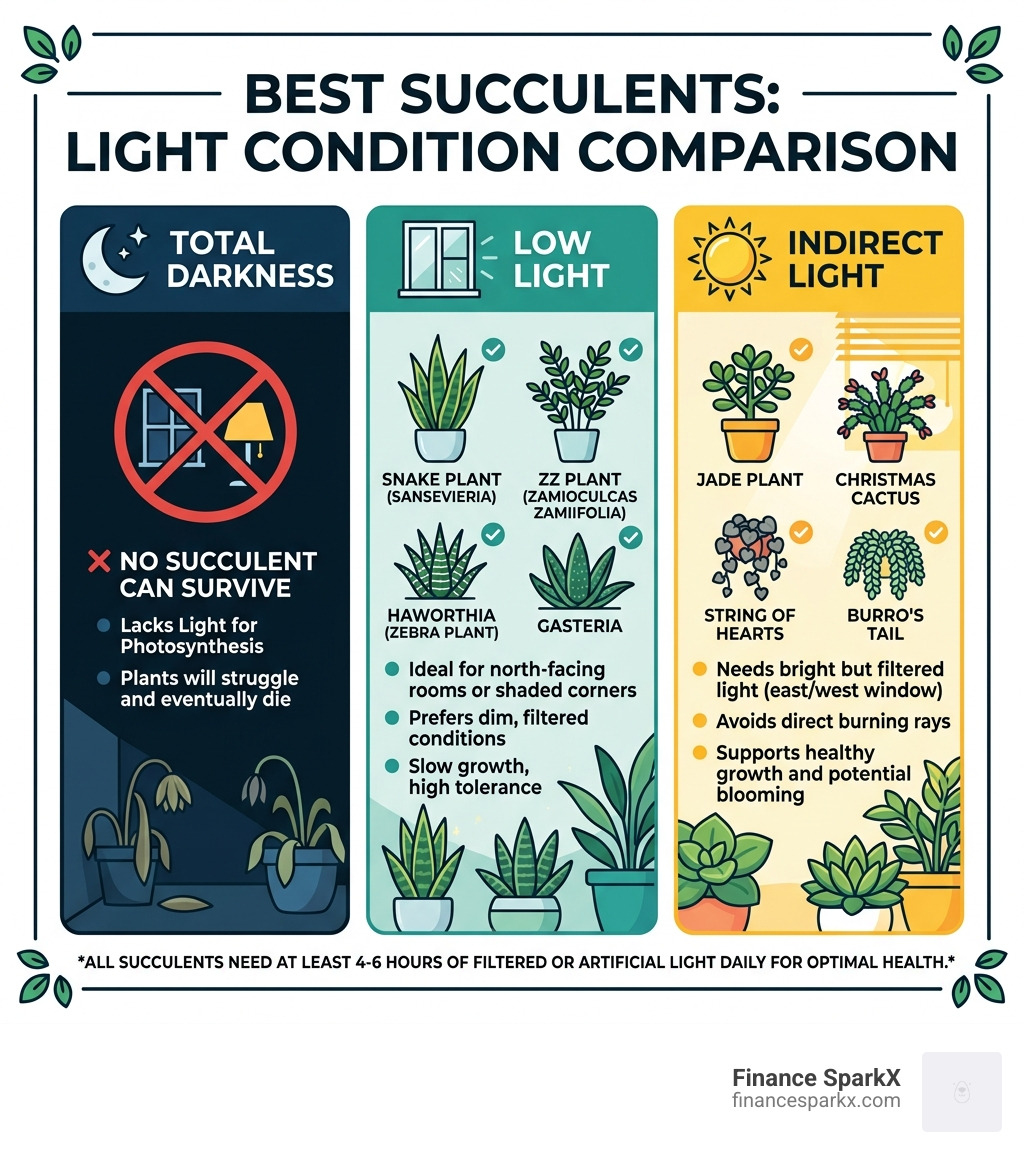
Here are the top low light succulents you can buy right now:
| Succulent | Light Needed | Difficulty |
|---|---|---|
| Snake Plant | Very low | Beginner |
| ZZ Plant | Very low | Beginner |
| Haworthia (Zebra) | Low to medium | Beginner |
| Gasteria | Low | Easy |
| Jade Plant | Medium indirect | Easy |
| Christmas Cactus | Low to medium | Easy |
| String of Hearts | Low to medium | Moderate |
| Burro’s Tail | Low indirect | Moderate |
Most succulents need bright sun. But a handful of species actually prefer dim, shaded conditions. Genera like Haworthia, Gasteria, and Sansevieria (Snake Plant) evolved in the shadows of rocks and taller plants in the wild — so a north-facing room or shady office corner feels right at home to them.
The catch? No succulent survives in total darkness. Even the toughest ones need at least 4–6 hours of filtered or artificial light daily to stay healthy.
The good news: these plants are slow-growing, low-maintenance, and nearly impossible to kill with a little neglect. For an eco-conscious homeowner short on time, they’re one of the smartest green upgrades you can make.
Can Succulents Survive and Thrive in Low Light?
In indoor gardening, there is a common myth that all succulents are desert-dwelling sun-worshippers. While many are, nature is incredibly resourceful. Some species have developed fascinating biological “gear” to survive in the deep shade of rocky crevices or beneath the thick canopy of South African shrubs.
To thrive where others wither, succulents low light specialists utilize unique adaptations:
- CAM Metabolism: Most plants breathe during the day, but these succulents use Crassulacean Acid Metabolism. They open their pores (stomata) at night to take in CO2, conserving moisture and allowing them to grow efficiently even when light resources are scarce.
- Chloroplast Rearrangement: These plants can actually move their chloroplasts—the tiny engines of photosynthesis—within their cells. Using cp-actin filaments, they shift these engines to the leaf surface to catch every available photon in dim rooms.
- Light-Harvesting Antennae: Think of these like biological satellite dishes. Shade-tolerant succulents often have larger “antennae” (clusters of pigment-protein complexes) that amplify their ability to capture light.
- Windowed Leaves: Plants like Haworthia have translucent “windows” on their leaf tips. In the wild, they grow mostly underground to stay cool, with only these windows exposed to funnel light deep into the plant’s internal tissues.
Even with these superpowers, we must remember that “low light” is a relative term. In 2026, indoor plant trends emphasize sustainability and longevity. To keep your plants healthy, aim for 4–6 hours of filtered light. If your space is truly dim, artificial light supplements, such as LED grow lights, can bridge the gap.
That growth rates will be significantly slower in these conditions. Many shade succulents also enter a summer dormancy, where they stop growing entirely. During this period, they require almost no resources—a perfect “glamping” experience for a plant!
Best Beginner Succulents Low Light
If you are just starting your journey into indoor gardening, you want plants that forgive a little forgetfulness. These “entry-level” succulents are famous for their neglect tolerance.
- Snake Plant (Sansevieria): Often called “Mother-in-Law’s Tongue,” this plant is legendary. It is a champion at air purification and can survive in incredibly dim corners. It stores water in its upright, sword-like leaves, meaning you can ignore it for weeks.
- ZZ Plant (Zamioculcas zamiifolia): While not a traditional desert succulent, it functions like one. It stores water in potato-like underground rhizomes. It is virtually unkillable unless you drown it with too much love (and water).
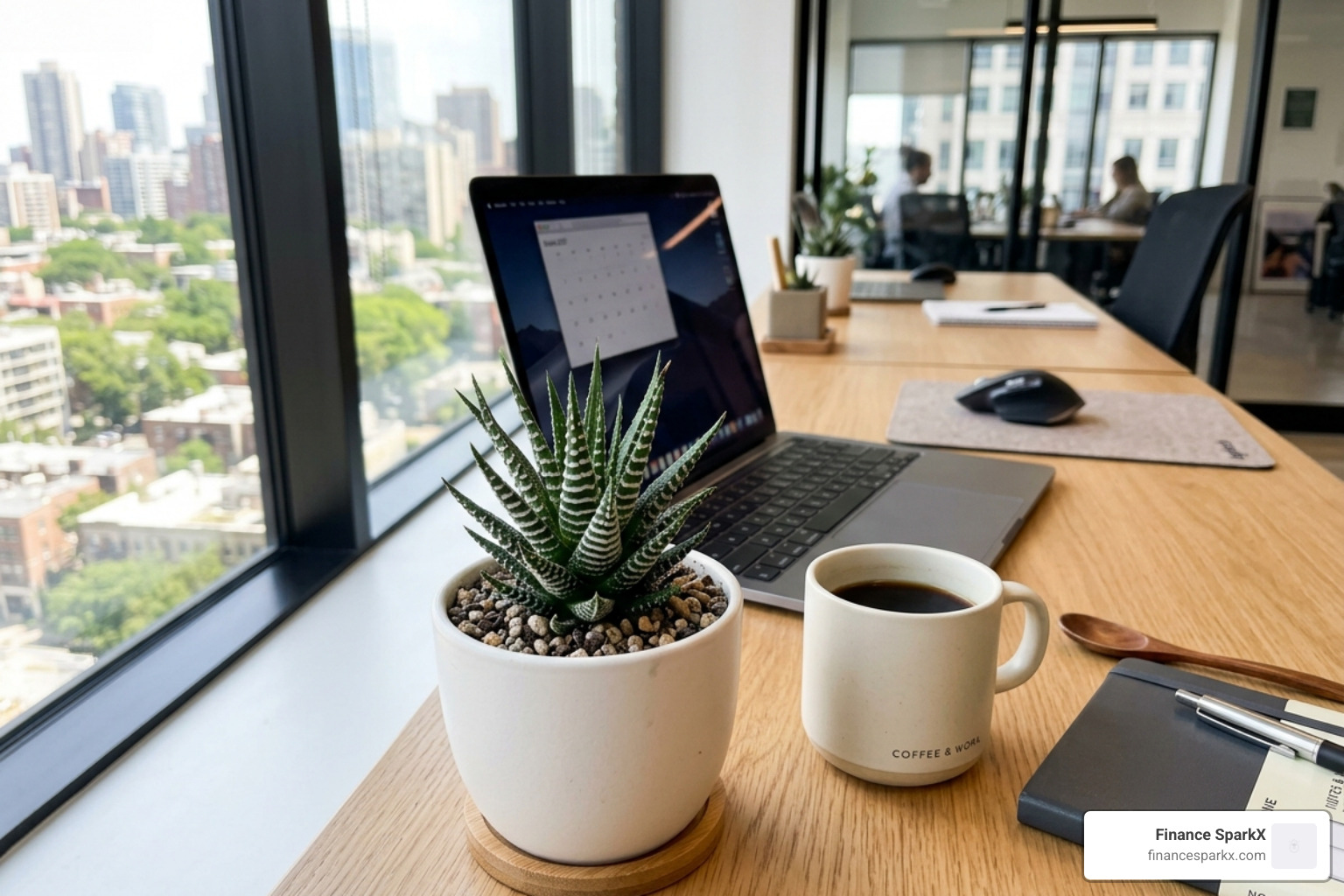
- Zebra Haworthia: These are small, charming plants with white horizontal stripes that “pop” in low light. They stay compact, rarely exceeding five inches in height, making them the ultimate desk companion.
Indestructible Shadow Warriors for Your Office
For professional spaces where the lighting might be fluorescent and the weekend care is non-existent, you need “Shadow Warriors.” These are the plants that treat a dim office like a cozy campsite.
- Gasteria (Ox Tongue): Named for its stomach-shaped flowers, Gasteria has thick, tongue-like leaves. It is native to the shaded bush environments of South Africa and actually prefers to stay out of the direct sun, which can cause its leaves to turn brown or crispy.
- “The Tank” (Snake Plant Varieties): Some enthusiasts call the Snake Plant “The Tank” because you could practically lock it in a closet for a month and it would emerge looking exactly the same. For a professional setting, we recommend the Sansevieria cylindrica, which features unique, spear-like round leaves.
Essential Care for Succulents Low Light
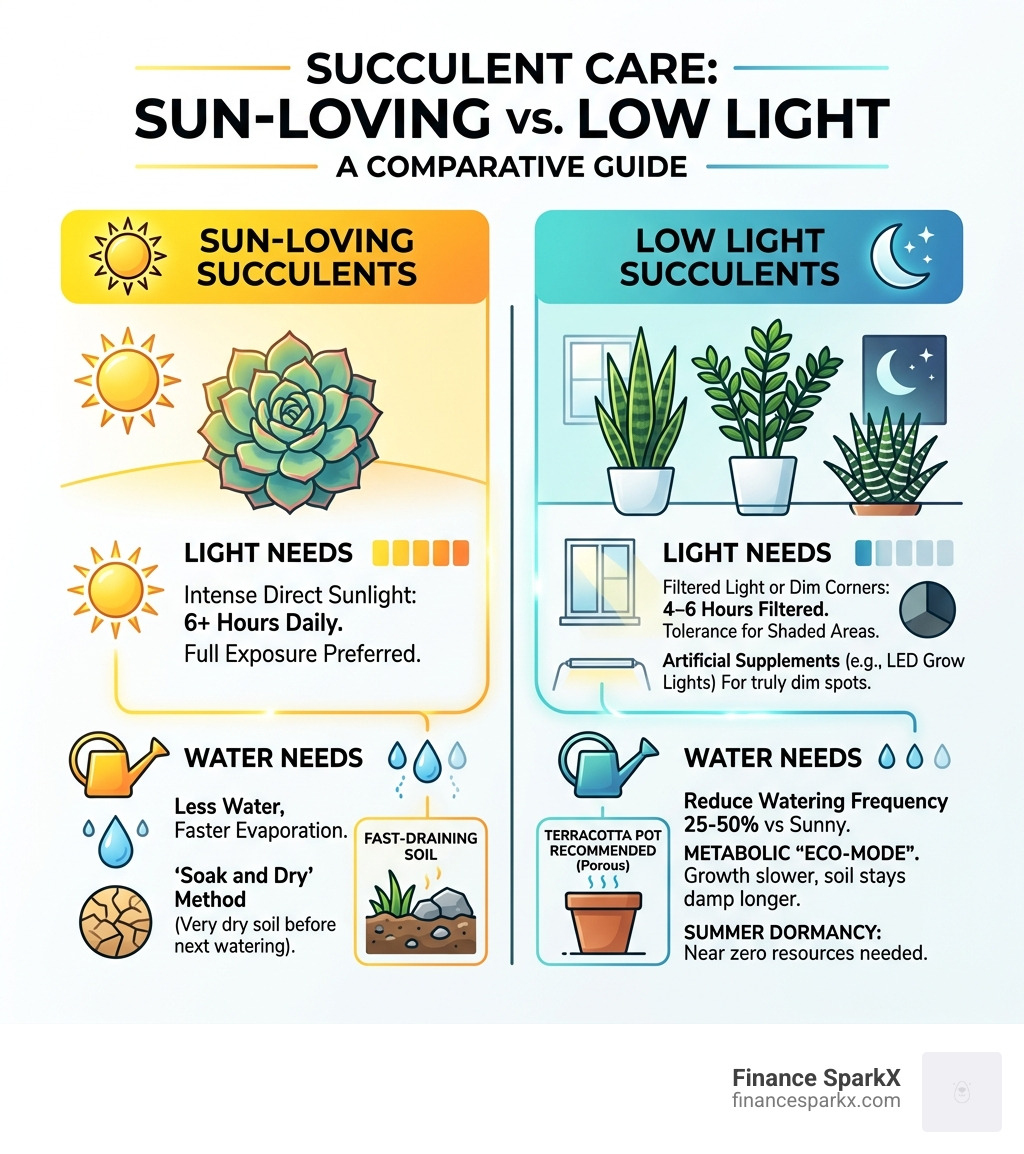
Caring for succulents low light varieties requires a shift in mindset. Because they aren’t baking in the sun, their metabolic engine is running in “eco-mode.” They don’t need as much fuel or water as their sun-loving cousins.
The Golden Rules of Maintenance:
- Watering Adjustments: This is the most critical step. In low light, photosynthesis slows down, and the soil stays damp for much longer. You should reduce your watering frequency by 25–50% compared to plants in sunny windows.
- The Soak and Dry Method: Only water when the soil is bone dry all the way to the bottom. When you do water, soak it thoroughly until water runs out of the drainage holes, then wait several weeks before doing it again.
- Soil and Potting: Use a fast-draining mix. We recommend a recipe of 50% potting soil, 25% perlite, and 25% coarse sand.
- The Right Container: Always choose pots with drainage holes. Terracotta pots are ideal because they are porous and allow the soil to “breathe,” helping excess moisture evaporate.
Troubleshooting Your Succulents Low Light
Even the toughest plants can run into trouble if the conditions are too extreme. Here is how to spot and fix common issues:
- Etiolation (Stretching): If your succulent starts looking “leggy” or its stems are reaching desperately in one direction, it is searching for light. You can fix the look by pruning the leggy stems and propagating the cuttings. To prevent it, rotate your pots a quarter turn every week.
- Mushy Leaves: This is the universal sign of overwatering. If the base of the plant feels soft or the leaves turn translucent and fall off, stop watering immediately and check for root rot.
- Pests: Mealybugs love the stagnant air of indoor corners. If you see white, cottony spots, treat the plant with a dab of rubbing alcohol or sprinkle food-grade diatomaceous earth on the soil to dehydrate the invaders.
Ideal Indoor Placement and Propagation
Finding the right “glamping spot” for your succulents low light friends is about understanding your home’s orientation.
- North-Facing Windows: These provide consistent, weak light that is perfect for Gasteria and Haworthia.
- East-Facing Windows: These offer gentle morning sun that isn’t too intense, making them great for Jade plants or Aloe Vera.
- Bathrooms: If your bathroom has a small window, the higher humidity can be a boon for tropical succulents like the Christmas Cactus or Mistletoe Cactus, which are epiphytes and absorb moisture from the air.
Spreading the Greenery
One of the most rewarding parts of our eco-conscious lifestyle at Finance SparkX is propagation. It’s the ultimate DIY way to grow your collection sustainably.
- Leaf Cuttings: For plants like Jade or Panda Plant, gently twist off a healthy leaf.
- Callousing: Let the leaf sit on a dry paper towel for 2–3 days until the “wound” dries and forms a callous. This prevents rot.
- Indirect Light: Place the calloused leaf on top of well-draining soil in a spot with warmth and indirect light. In a few weeks, tiny pink roots and a miniature plant (a “pup”) will appear.
Frequently Asked Questions about Low Light Succulents
Can succulents survive in windowless rooms?
No plant can survive in pitch darkness. However, you can keep them in a windowless office if you provide artificial grow lights. Aim for 12–14 hours of light from a standard overhead fluorescent or a dedicated LED grow light. Snake Plants and ZZ Plants are the most resilient in these “office-only” conditions.
Are low light succulents safe for pets and children?
Not all of them. While Haworthia and Burro’s Tail are generally non-toxic, others can be irritants.
- African Milk Tree: This plant contains a milky sap that is toxic and can cause skin blisters or eye discomfort. Always wear gloves when handling it.
- Aloe Vera: While great for human sunburns, it can cause digestive upset in dogs and cats if ingested.
- Snake Plants & ZZ Plants: These are mildly toxic to pets. We always recommend checking the ASPCA database before adding a new plant to a home with furry friends.
Why is my succulent losing its color and stretching?
This is usually etiolation. When a succulent doesn’t get enough light, it stops producing as much chlorophyll in certain areas and stretches its stem to reach for a light source. The plant loses its compact, “rosette” shape and turns a paler green. Move it closer to a window or add a small LED supplement to stop the stretching.
Conclusion
Embracing succulents low light varieties is a fantastic way to integrate eco-conscious practices into your home improvement routine. These plants don’t just look good; they improve our indoor air quality and provide a sense of calm that boosts daily productivity.
At Finance SparkX, we believe that a balanced lifestyle starts with a sustainable environment. By choosing the right “Shadow Warriors” for your space and following a “less is more” care routine, you can enjoy a thriving indoor garden even in the dimmest corners of your home.
Ready to transform your space? More info about eco-conscious home improvement can help you build the sustainable, productive sanctuary you’ve always wanted. Happy planting!
