
Paint Your Way to a Prettier Patio
Why Painted Terracotta Pot Designs Are the Easiest Patio Upgrade You’re Not Doing Yet
Painted terracotta pot designs are one of the simplest, most affordable ways to add personality to your home — indoors or out.
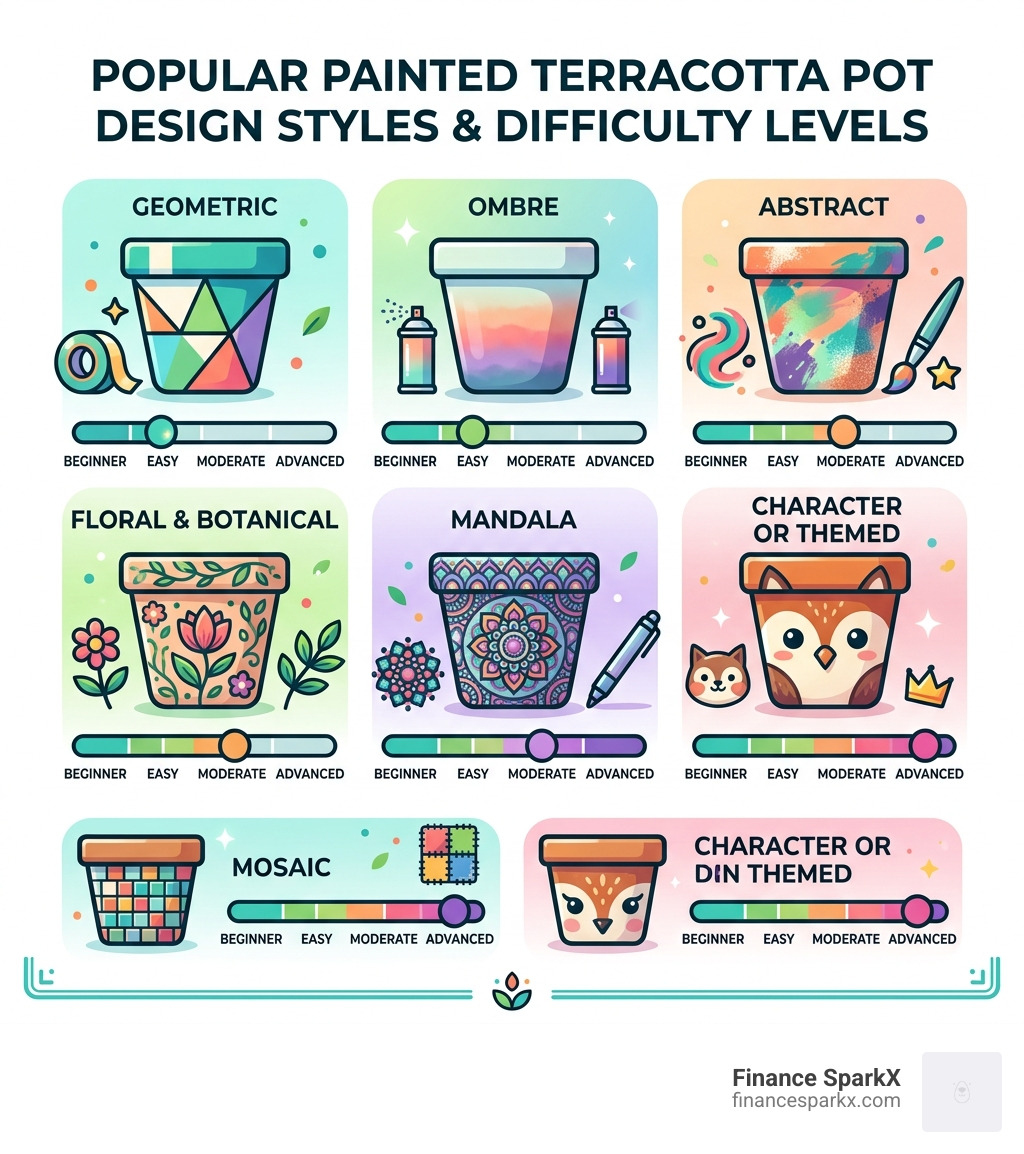
Here are the most popular design styles to get you started:
- Floral and botanical — hand-painted blooms, leaves, and vines
- Geometric — clean lines, triangles, and color blocking with painter’s tape
- Ombre — soft color gradients blending two or three shades
- Mandala — intricate repeating patterns, great for paint pens
- Abstract — free brushwork, splashes, and textured effects
- Character or themed — animals, faces, seasonal motifs, cultural art
- Mosaic — small painted tiles or freehand patchwork patterns
The best part? You don’t need to be an artist. A basic terracotta pot, some acrylic or chalk paint, and a free afternoon are all it takes.
Terracotta is naturally porous and breathable — which is great for your plants, but it also means paint grips the surface well. That makes it one of the most beginner-friendly canvases for DIY decorating.
Whether you want something bold for a front porch or subtle for a windowsill herb garden, there’s a design style that fits your space, your skill level, and your schedule.
Essential Supplies for Painted Terracotta Pot Designs
Before we dive into the creative process, we need to gather our toolkit. At Finance SparkX, we believe that the right tools not only make the job easier but also ensure your project lasts for seasons to come.
To create stunning painted terracotta pot designs, you’ll need:
- Acrylic Paint: This is the gold standard for most DIYers. It’s water-based, dries quickly, and comes in every color imaginable.
- Chalk Paint: If you want a vintage, ultra-matte finish, chalk paint is your best friend. It has incredible “grip” on porous surfaces.
- Foam Brushes and Fine Brushes: Use foam brushes for large areas to avoid visible brush strokes. Use fine-tipped brushes for intricate details.
- Paint Pens: These are a game-changer for mandalas or writing. They offer the control of a Sharpie with the durability of paint.
- Painter’s Tape: Essential for those crisp, modern geometric lines.
- Stencils: Perfect for those of us who aren’t quite ready for freehand illustrations.
- Sealant: A high-quality UV-resistant spray or brush-on sealer is non-negotiable for outdoor pots.
If you are looking for inspiration on how a professional finish looks, check out this Pretty In Pink – Hand painted Terracotta Pot – ARTSTORY. It showcases how a soft color palette can transform a simple clay vessel into a work of art.
Choosing the Best Paint for Longevity
Not all paints are created equal when it comes to the great outdoors. For pots that will live on your patio, we recommend exterior-grade acrylics or latex paints. These are formulated to withstand temperature changes and moisture.
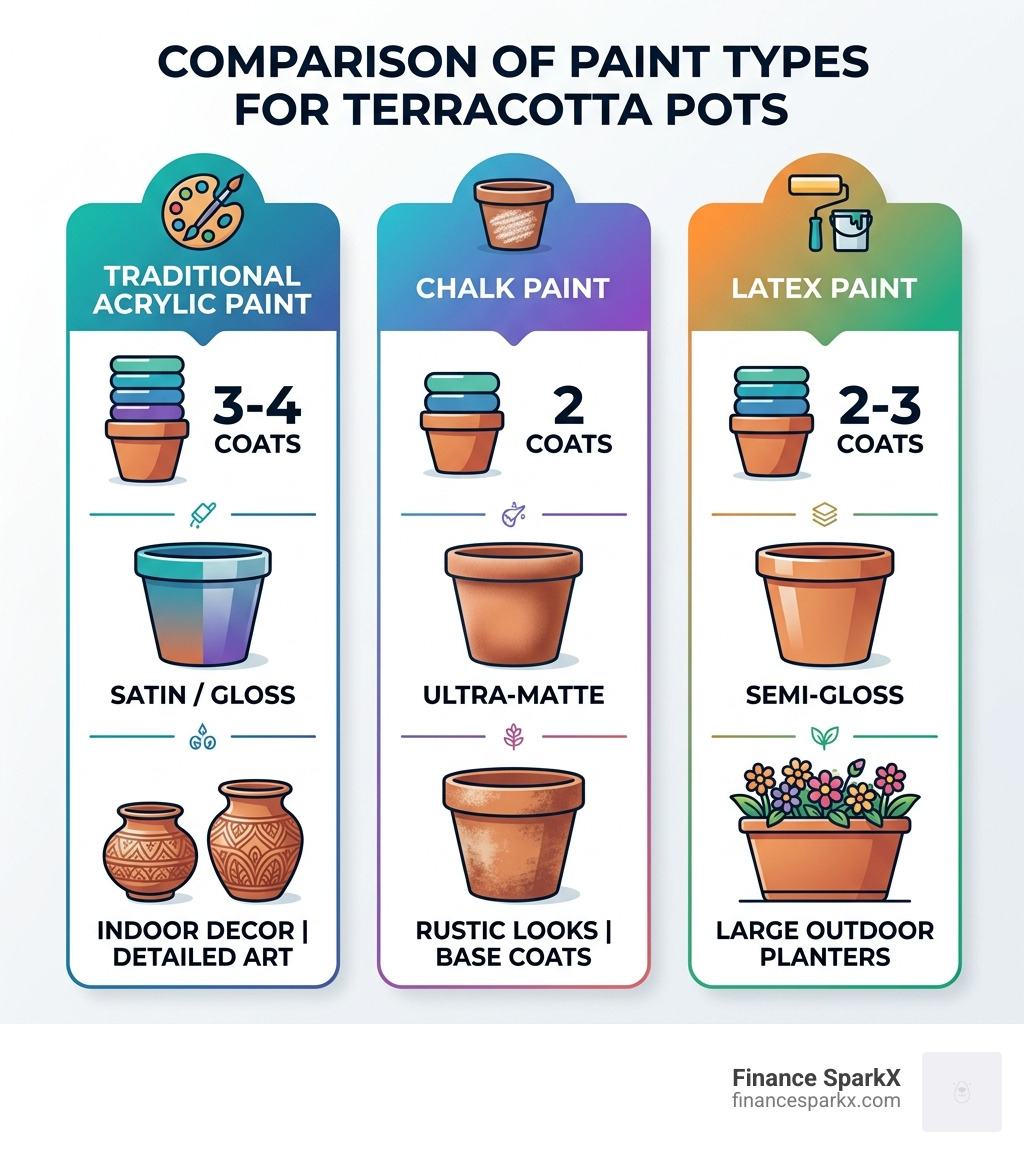
| Paint Type | Coverage | Finish | Best For |
|---|---|---|---|
| Traditional Acrylic | 3-4 coats | Satin/Gloss | Indoor decor, detailed art |
| Chalk Paint | 2 coats | Ultra-Matte | Rustic looks, base coats |
| Latex Paint | 2-3 coats | Semi-Gloss | Large outdoor planters |
If you prefer a ready-made stylish option that already features durable finishes, these 12cm Hand-Painted Terracotta Pots | 4 Design Options | Stylish Indoor & Outdoor Planters – TerraHub are excellent examples of how UV-resistant paint keeps colors vibrant.
Eco-Friendly and Non-Toxic Options
In line with our mission at Finance SparkX to promote sustainable living, we always suggest looking for low-VOC (Volatile Organic Compounds) paints and sealers. Natural pigments and milk paints are fantastic alternatives if you are painting pots for indoor use. Not only are these better for the air quality in your home, but they are also safer for your furry friends and children who might help with the crafting.
Preparing and Painting Your Pots: A Step-by-Step Guide
Preparation is the difference between a pot that looks great for a month and one that looks great for a decade.
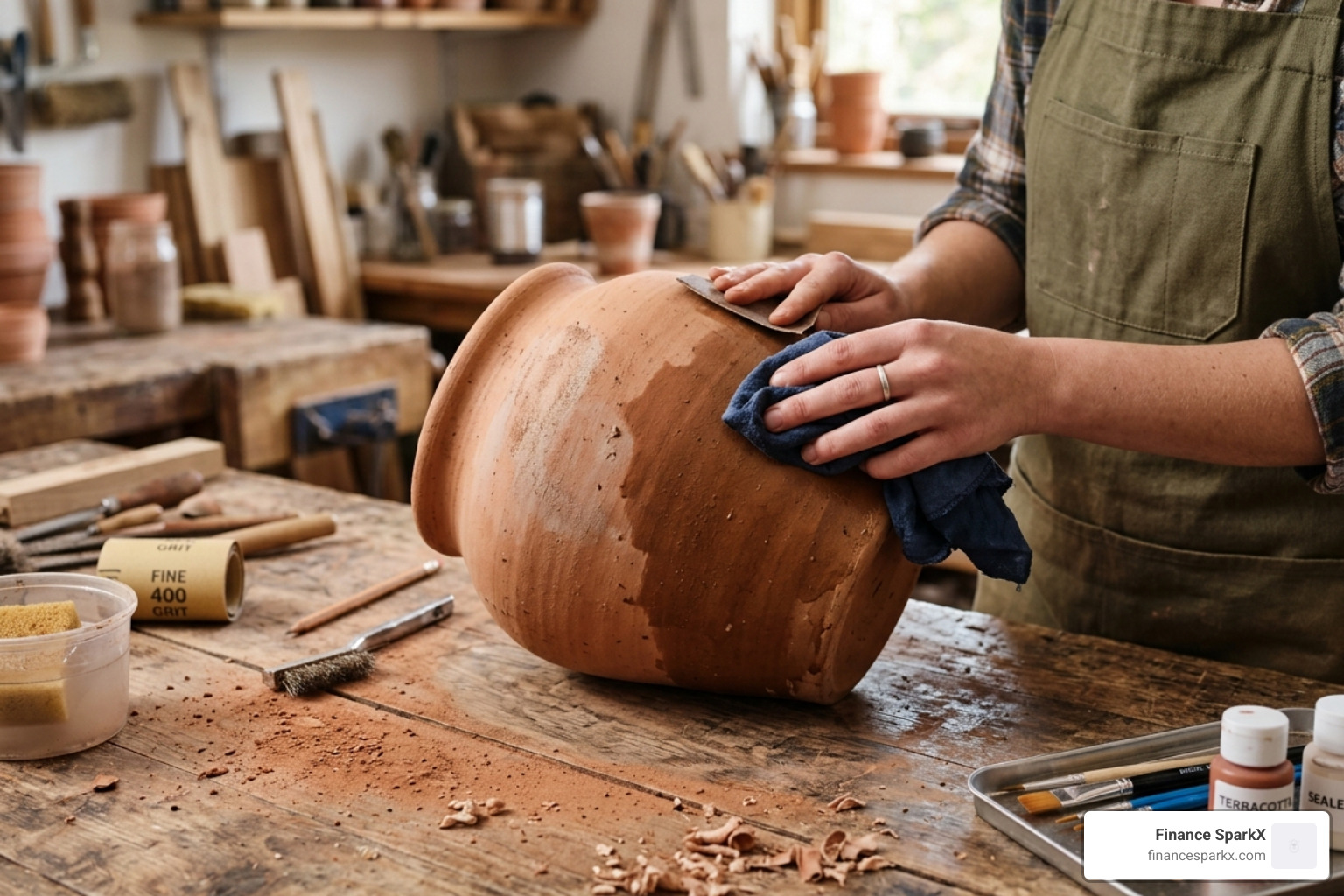
- Clean the Surface: Even new pots have “clay dust.” Use a damp cloth to wipe them down. If you’re upcycling an old pot, soak it in a vinegar-water solution to remove salt deposits.
- Sanding: Use fine-grit sandpaper to smooth out any rough ridges or manufacturing seams. This ensures your painted terracotta pot designs look professional.
- The Interior Seal: This is a pro-tip! Seal the inside of the pot. Because terracotta is porous, water from the soil can seep through the clay and push the paint off from the inside out, causing bubbles. A clay pot sealer or even a bit of leftover outdoor paint on the inside prevents this.
- Priming: While not strictly necessary for chalk paint, a spray primer helps traditional acrylics stick better and makes colors “pop.”
- Base Coating: Apply your base color. If using chalk paint, two coats should do it. For acrylics, you might need three.
- Detailing: This is where the magic happens. Whether you’re using stencils or freehanding, let the base coat dry for at least 2-4 hours first.
For those who appreciate the natural beauty of high-quality clay before the paint even touches it, the Terracotta Lucretia Flower Pot – Round Wood of Mayfield is a perfect example of a smooth, well-prepared surface that serves as a premium canvas.
Ensuring Proper Drainage and Plant Health
We never want to sacrifice plant health for aesthetics. When choosing pots for your painted terracotta pot designs, always ensure they have a drainage hole. To prevent “wet feet” (root rot), we recommend placing a few clay balls or large pebbles at the bottom of the pot before adding soil.
For massive statement pieces like this Bettini Deruta | Extra‑Large Terracotta Pot with Festoon and Four Rims Classic vase sizes Cm. 100xh70 cm (39.37xh27.56″), using “pot feet” is a great idea. These small risers lift the pot off the ground, allowing air to circulate underneath and preventing moisture from being trapped against your patio tiles.
7 Creative Painted Terracotta Pot Designs to Try
Now for the fun part! Here are seven styles to inspire your next weekend project.

- The Modern Ombre: Choose three shades of the same color (e.g., light blue, sky blue, and navy). Paint the top third light, the middle shade in the center, and the darkest at the bottom. While the paint is still wet, use a clean brush to blend the edges where the colors meet.
- Boho Floral: Use a small brush to create simple “blob” flowers. Once dry, add tiny white or yellow dots in the center. This Indoor Hand Painted White Floral Terracotta Clay Pot, Medium is a beautiful reference for how white floral patterns can look sophisticated against the natural orange of the clay.
- Geometric Color Block: Use painter’s tape to mark off triangles or stripes. Paint the exposed areas, let them dry completely, and then peel the tape back for a perfect line.
- The “Drip” Technique: Turn the pot upside down and pour small amounts of different colored paints around the base (which is now the top). Let the paint naturally run down the sides.
- Mandala Magic: Use paint pens to create dots and lines radiating from a central point. It’s incredibly meditative!
- Textured Minimalism: Sometimes, less is more. You can use a sponge to dab on a “stucco” effect. This Red & White Textured Terracotta Planter – Tall Handmade Decorative Pot – shows how texture can elevate a design beyond just color.
- Character Pots: Paint faces, animal ears, or even seasonal themes like pumpkins or watermelons. These are huge hits with kids!
Beginner-Friendly Painted terracotta pot designs
If you’re feeling a bit nervous about your artistic abilities, start with polka dots. You can use the eraser end of a pencil as a “stamp” to get perfectly round dots every time. Another great hack is sponge painting. Gently dabbing paint on with a sea sponge creates a beautiful mottled effect that hides any “mistakes” perfectly.
Advanced Painted terracotta pot designs for Artistic Flair
For the seasoned crafters, why not try decoupage? You can use decorative napkins and Mod Podge to “glue” intricate patterns onto your pot, then paint around them for a mixed-media look. Another advanced technique is using polymer clay to sculpt 3D elements—like dragonflies or flowers—and attaching them to the pot before painting the whole piece as one.
Sealing and Maintaining Your Outdoor Masterpieces
You’ve spent hours on your painted terracotta pot designs, so let’s make sure they stay beautiful.
- Wait for the Cure: Don’t rush to the sealer. Let your paint dry for at least 24 hours.
- The Right Sealer: For outdoor use, look for “Outdoor Mod Podge” or a clear gloss/matte spray sealer like Rust-Oleum 2x Ultra Cover.
- Ventilation is Key: Always spray your sealers outdoors or in a very well-ventilated garage.
- Winter Care: In April 2026, as we look toward the colder months, even frost-resistant terracotta can crack if water gets trapped in the paint layers. If you live in a climate with hard freezes, bring your painted pots into a covered porch or garage for the winter.
- Cleaning: Avoid abrasive chemicals. A gentle wipe with a soft, damp cloth is all you need to keep them shining.
Frequently Asked Questions about Painted Terracotta Pot Designs
Can I use painted pots for edible herbs?
Yes, but with caution. We recommend using non-toxic, lead-free paints. Most importantly, seal the inside of the pot with a food-safe sealer or insert a plastic liner so the soil (and your herbs) never actually touches the painted surface.
How do I prevent the paint from bubbling?
Bubbling usually happens because moisture is trying to escape from the clay. The best prevention is to seal the interior of the pot before you start painting the exterior. Also, ensure your pot is 100% dry before you apply the first coat of primer.
Why is chalk paint better for a base coat?
Statistics show that chalk paint typically requires only 2 coats to fully cover a terracotta pot, compared to 3-4 coats for traditional acrylic paint. It also has a porous finish that “breathes” better with the clay, reducing the risk of peeling over time.
Conclusion
At Finance SparkX, we believe that a balanced lifestyle is built on the pillars of productivity and creative expression. Taking the time to craft your own painted terracotta pot designs isn’t just about home improvement; it’s a sustainable way to refresh your environment while practicing mindfulness.
By upcycling old pots and choosing eco-conscious materials, you’re creating a patio that isn’t just prettier—it’s a reflection of your commitment to a thoughtful, well-lived life.
Ready to transform your garden? Start your next DIY project today and show us what you create!
