
How to DIY Home Decor in 5 Easy-to-Follow Steps
Why DIY Home Decor Is the Smartest Upgrade You Can Make in 2026
DIY home decor is one of the most effective ways to refresh your living space without spending a lot of money or creating unnecessary waste.
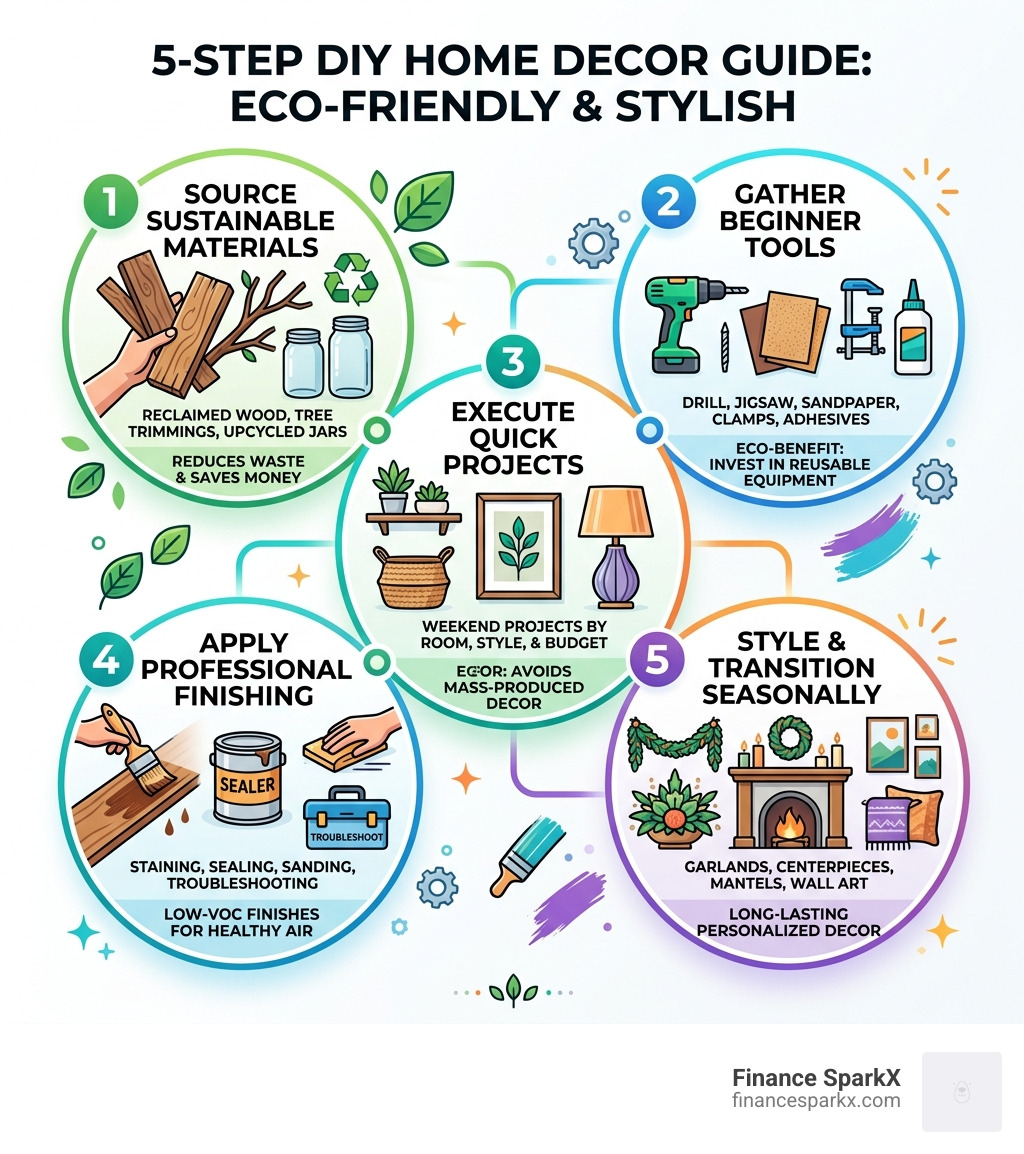
Here are the 5 steps this article covers:
- Source sustainable materials — reclaimed wood, free tree trimmings, upcycled jars
- Gather beginner tools — drill, jigsaw, sandpaper, clamps, and a few key adhesives
- Execute quick weekend projects — by room, by style, by budget
- Apply professional finishing — staining, sealing, sanding, and troubleshooting
- Style and transition seasonally — garlands, centerpieces, mantels, and wall art
You don’t need a big budget or a workshop to make your home feel more like you. A $10 wreath can replace $400 wall art. A pair of tights and some styrofoam balls can become a stunning bead garland. Free tree trimmings from a hardware store can turn into a 3-foot statement piece.
With over 900 DIY home decor ideas trending in 2026, the options are almost endless — but getting started is the hard part.
This guide cuts through the noise. It gives you a clear, room-by-room path to creating beautiful, eco-friendly decor this weekend — even if you’ve never picked up a power drill.
Step 1: Sourcing Sustainable Materials for DIY Home Decor
The foundation of a great diy home decor project isn’t just the skill you put into it; it’s the history of the materials you use. In April 2026, the most stylish homes aren’t those filled with mass-produced items, but those that tell a story through reclaimed and natural elements. Sourcing sustainably isn’t just good for the planet; it’s a major win for your wallet.
Using natural materials like wood and stone has been shown to have a positive impact on our mental well-being. According to research on the benefits of natural materials in home environments, incorporating elements of nature into our living spaces can reduce stress and improve air quality. At Finance SparkX, we believe that integrating these eco-conscious choices with a productive DIY schedule is the ultimate way to achieve a balanced lifestyle.
Finding Free Supplies for Your DIY Home Decor Projects
You would be amazed at what people consider “trash.” Before you head to the craft store, look around your own neighborhood or even your own closets.
- Picket Fences and Pallets: Often found on the side of the road or behind local businesses. These are goldmines for rustic signs or floral centerpieces.
- Pantyhose and Styrofoam: Have a pair of tights with a run? Don’t toss them! You can slide styrofoam balls into the legs to create high-end “wood-look” bead garlands.
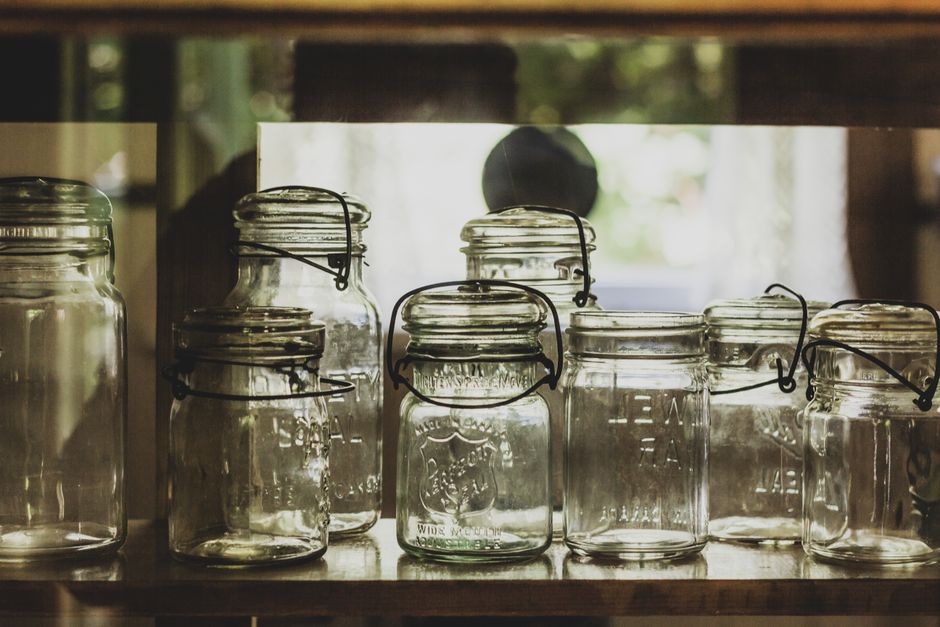
- Mason Jars and Glass Bottles: Tonic water bottles or old jam jars make perfect bud vases for a reclaimed wood centerpiece.
- Nature Finds: Driftwood from a beach trip or roadside treasures like interesting branches can be cleaned and turned into high-impact wall hangings.
- Community Swap Groups: Check online marketplaces or local “Buy Nothing” groups. People are often desperate to get rid of scrap wood or leftover craft supplies.
Sourcing for Wreaths and Wall Hangings
If you want to create a massive, 3-foot holiday wreath for less than $10, you need to know where to look. Many large hardware stores or tree lots have “trimming bins” where they give away the bottom branches of trees for free. These are perfect for wiring into a wooden frame. For wall hangings, look for:
- Pine Boards: Standard 1×3 boards are incredibly cheap and can be used to build triangular or circular frames.
- Cotton Twine and Recycled Yarn: Check thrift stores for half-used skeins of yarn to create boho-style fiber art.
- Water Vials: If you’re using fresh florals in a wreath, small wired water vials (often used by florists) can keep your blooms hydrated for days.
Step 2: Gathering Essential Beginner Tools and Materials

One of the biggest hurdles for beginners is the “tool intimidation” factor. We promise you don’t need a professional-grade workshop to succeed at diy home decor. Most of the 70+ projects we recommend can be completed with a few basic power tools and some elbow grease. For more detailed advice on setting up your space, check out more info about sustainable home tips.
Must-Have Supplies for Modern DIY Home Decor
While every project is different, there are several items we find ourselves reaching for constantly:
- Felt Balls and Non-Stretching Cord: Essential for making “hygge” garlands that won’t sag over time.
- Dowel Screws: These are double-sided screws that allow you to turn a piece of driftwood into a functional wall hook.
- Forstner Bits: If you want to drill perfectly clean, flat-bottomed holes in wood (like for a vase holder), these are a must.
- Milk Paint and Foam Rollers: Milk paint provides a beautiful, non-toxic, matte finish that looks professional even if it’s your first time painting furniture.
Essential Adhesives and Fasteners
The “glue” that holds your project together is just as important as the wood itself.
- Hot Glue: Great for quick fixes and securing yarn or greenery.
- Brad Nails and Star-Head Screws: Brad nails are perfect for delicate trim, while star-head (Torx) screws are superior to Phillips head because they don’t strip as easily.
- Pocket Holes: This is a game-changer for beginners. Using a pocket hole jig is the fastest way to create strong, hidden joints without needing complex carpentry skills.
- Fishing Line: Ideal for hanging “floating” decor or securing beads inside pantyhose for a seamless look.
Step 3: Executing Quick Weekend Projects by Room
With over 1,900 pins of inspiration and 900+ ideas currently trending, it’s easy to get overwhelmed. The trick is to focus on one room at a time. High-impact projects don’t have to take weeks; many can be finished between Saturday morning and Sunday afternoon.
Customizing Styles: From Boho to Modern Farmhouse
The beauty of diy home decor is that you can adapt any project to your specific aesthetic.
- Boho: Focus on macrame wall hangings, fiber art, and textured yarns.
- Modern Farmhouse: Use stenciling on pillows or wooden signs, and stick to neutral palettes with matte black hardware.
- Modern/Industrial: Try sublimation projects to transfer custom designs onto mugs or metal, or use the Japanese art of Kintsugi to repair broken ceramics with gold-colored resin.
- Coastal: Incorporate driftwood, Sashiko stitching on navy linens, and light-colored stains.
Personalizing your home isn’t just about looks—research indicates that living in a space that reflects your personality significantly boosts your overall well-being and sense of comfort.
Upcycling Common Household Items
Upcycling is the ultimate expression of the Finance SparkX philosophy: being productive while staying eco-conscious.
- Tin Can Lanterns: Punch patterns into old soup cans and place a tea light inside for instant outdoor ambiance.
- T-Shirt Rugs: Cut old cotton shirts into strips and knot them together for a soft, washable bathroom mat.
- Globe Lights: Turn an old child’s desk globe into a unique pendant light or lamp.
- Fabric-Covered Canisters: Use leftover wallpaper or fabric scraps to give plain kitchen canisters a designer look.
Step 4: Applying Professional Finishing and Troubleshooting
The difference between a project that looks “homemade” and one that looks “handcrafted” is the finish. Taking the time to prep and seal your work ensures it lasts for decades. For more on maintaining your creations, see more info about eco-friendly care.
Avoiding Common Mistakes in DIY Home Decor
We’ve all been there—uneven cuts or wood that splits the moment you drive a screw into it.
- Warping: Always choose the straightest boards at the store. If you’re working with wood, let it acclimate to your home’s humidity for a few days before you start building.
- Wood Splitting: This is the most common beginner mistake. Always drill a “pilot hole” (a small hole slightly narrower than your screw) before driving the screw in.
- Measurement Errors: “Measure twice, cut once” is a cliché for a reason. Use a speed square to ensure your corners are a perfect 90 degrees.
Professional Sealing and Painting Techniques
To get that magazine-worthy look, follow these steps:
- Sanding: Start with a coarse grit and finish with a 220-grit sandpaper for a buttery-smooth surface.
- Light Coats: Whether you’re using stain or paint, three thin coats are always better than one thick, drippy coat.
- Foam Brushes: These are excellent for avoiding brush marks on flat surfaces.
- Polyurethane: For high-traffic items like coffee tables or kitchen centerpieces, apply a coat of polyurethane (like Spar Urethane) to protect against water rings and scratches.
Step 5: Styling and Seasonal Transitions for Your Space
Once your diy home decor piece is finished, the fun part begins: styling it. In 2026, the trend is all about “hygge”—creating a space that feels cozy, warm, and lived-in.
Creating Versatile Seasonal Decor
You don’t need a storage unit full of holiday bins. Instead, create “base” pieces that can transition through the year.
- The Neutral Wreath: Build a sturdy wooden frame. In winter, wire on free evergreen trimmings. In spring, swap them for dried eucalyptus or silk florals.
- Felt Ball Garlands: Use neutral colors like cream and grey. They look cozy on a winter mantel but can stay up year-round as a soft texture element.
- Interchangeable Centerpieces: A reclaimed wood box can hold pinecones in December, lemons in July, and pumpkins in October.
Displaying Your DIY Masterpieces
- Layering Heights: When styling a shelf or mantel, group items in odd numbers (3 or 5) and vary their heights to create visual interest.
- Focal Points: Use large-scale items, like a 3-foot DIY driftwood wall hanging, to fill blank spaces above sofas or beds.
- Functional Art: Don’t just display your decor—use it! A storage ottoman or a custom-built herb garden for the kitchen adds beauty and utility.
Frequently Asked Questions about DIY Home Decor
How do I make my DIY pieces look store-bought?
The secret is in the details. Sanding thoroughly, using high-quality stains, and hiding your fasteners (like using pocket holes or wood filler over nail heads) makes a huge difference. Also, don’t be afraid to mix your DIY pieces with high-end store-bought items for a balanced look.
What are the best renter-friendly DIY projects?
Focus on items that don’t require permanent changes. “Peel and stick” tile can be removed later, and fabric-covered acrylic sheets can create a temporary kitchen backsplash. Over-the-door wreaths and tabletop centerpieces are also great ways to add style without losing your security deposit.
Where can I find free printable plans and templates?
Many DIY blogs and community forums offer free PDF downloads for furniture plans. We recommend starting with simple projects like a “three-vase floral holder” or a basic “triangular wreath frame” to build your confidence.
Conclusion
At Finance SparkX, we believe that your home should be a sanctuary that supports both your productivity and your values. By embracing diy home decor, you aren’t just saving money—you’re participating in a sustainable, eco-conscious lifestyle that rewards creativity and resourcefulness. Whether it’s April 2026 or years into the future, the skills you learn today will allow you to craft a home that is uniquely yours. Start your sustainable DIY journey today and see how a few simple projects can transform your space and your mindset.
