
Get Your Hands Dirty with the Best Palm Cactus Mix
Why Palm Cactus Mix Is the Secret to Thriving Succulents, Palms, and Cacti
The best palm cactus mix options for 2026 — ranked by drainage, organic quality, and plant compatibility:
| Pick | Best For | Key Feature |
|---|---|---|
| Miracle-Gro Cactus, Palm & Citrus | Indoor containers | Pre-fertilized, fast-draining |
| Kellogg Garden Organics Palm & Cactus | In-ground + containers | OMRI organic certified |
| G&B Organics Palm, Cactus & Citrus | Repotting, raised beds | Worm castings + bat guano |
| Espoma Cactus, Palm & Citrus | Root health focus | Mycorrhizal fungi (Myco-tone®) |
| DIY desert cactus blend | Custom control | 1 part potting soil + 2 parts pumice + 1 part coir |
Most palms, cacti, and succulents die not from neglect — but from wrong soil. Regular potting mix holds too much water. It smothers roots and invites rot.
A good palm cactus mix solves that problem. It drains fast, stays airy, and feeds your plants without waterlogging them. The ideal pH sits between 6.0 and 7.3 — slightly acidic to neutral — which is the sweet spot for nutrient uptake in these plant types.
Whether you’re potting a small succulent on your windowsill or repotting a container citrus tree on your patio, the right mix makes all the difference. And in April 2026, there are more quality options — both commercial and DIY — than ever before.
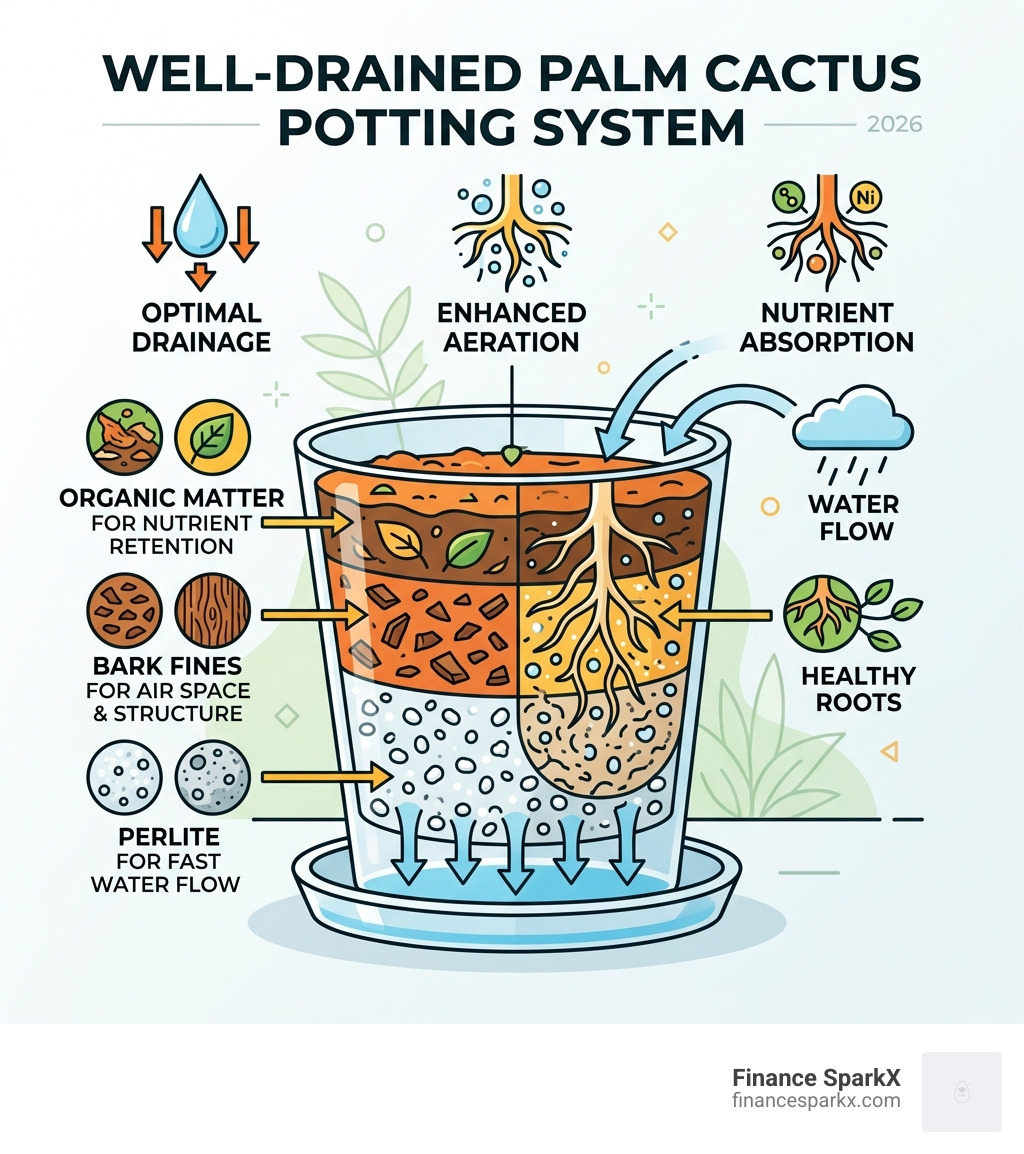
Understanding the Science of Palm Cactus Mix
To truly appreciate a high-quality palm cactus mix, we have to look at what’s happening beneath the surface. Standard potting soils are designed to act like a sponge, holding onto every drop of water to keep thirsty flowers hydrated. However, palms, cacti, and citrus trees have evolved in environments where water is either scarce or moves through the soil very quickly.
When we use standard soil for these plants, the “pores” in the soil stay filled with water instead of oxygen. This leads to soil compaction and the dreaded root rot. A specialized palm cactus mix is engineered for “macroporosity”—a fancy way of saying it has bigger air gaps. These gaps allow water to flush through while leaving behind the oxygen that roots need to breathe.
| Feature | Standard Potting Soil | Palm Cactus Mix |
|---|---|---|
| Drainage Speed | Slow (High retention) | Fast (Low retention) |
| Primary Base | Peat moss / Wood fiber | Sand / Pumice / Perlite / Forest Products |
| pH Range | Often 5.5 – 6.5 | Balanced 6.0 – 7.3 |
| Aeration | Low (Compacts easily) | High (Resists compaction) |
| Best For | Ferns, Petunias, Veggies | Cacti, Succulents, Palms, Citrus |
For those of us leaning into organic gardening, products like G&B Organics Palm, Cactus & Citrus Planting Mix provide this balance using natural ingredients. This mix doesn’t just drain well; it’s crafted to mimic the nutrient-rich yet gritty floors of tropical and arid regions.
Essential Ingredients for Drainage and Growth
If you were to tear open a bag of premium palm cactus mix in April 2026, you’d see a complex cocktail of materials. It’s not just “dirt.” Each component has a specific job to do.
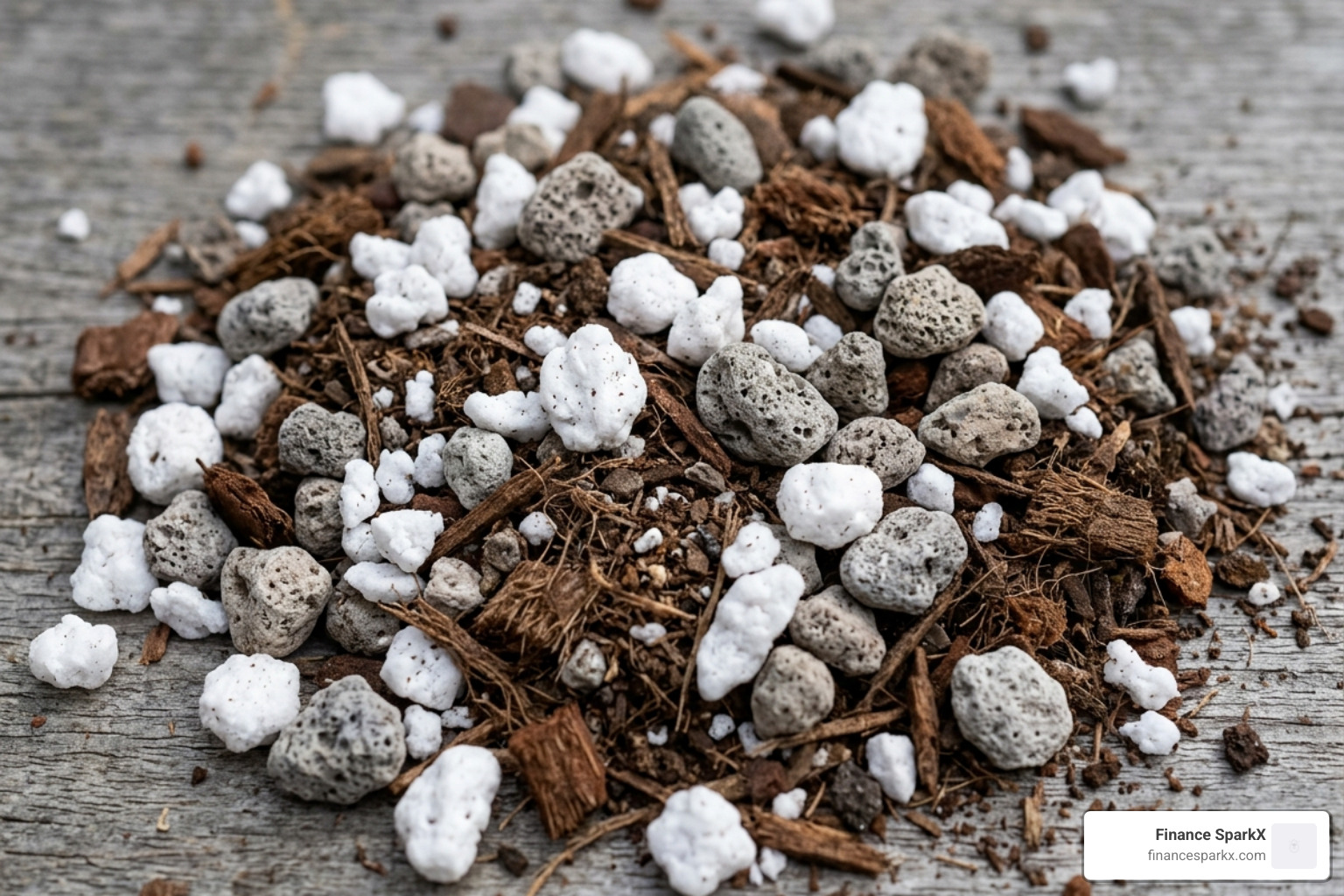
- Forest Products & Bark Fines: These provide the structural “skeleton” of the mix. They break down slowly, ensuring the soil doesn’t collapse into a dense brick over time.
- Sphagnum Peat Moss or Coir: While we want drainage, we don’t want the plant to bone-dry in seconds. These ingredients hold just enough moisture to keep the plant alive without saturating the roots.
- Sand and Perlite: These are the drainage workhorses. Sand adds weight and grit, while perlite (those white “popcorn” bits) creates permanent air pockets.
- Pumice: Often found in higher-end mixes like Kellogg Garden Organics / Palm & Cactus Mix 1cf, pumice is a volcanic rock that holds nutrients and moisture in its microscopic pores but allows excess water to run off instantly.
Modern mixes also include “biologicals.” You might see “Mycorrhizal fungi” on the label. These are beneficial fungi that form a symbiotic relationship with roots, effectively increasing the root surface area and helping the plant “scavenge” for nutrients more efficiently. Some brands even include yucca extract, which acts as a natural wetting agent to ensure that when you do water, it penetrates the soil evenly rather than just running down the inside of the pot.
Organic Components in Palm Cactus Mix
Sustainable living is at the heart of what we do at Finance SparkX, so we always look for mixes that prioritize organic matter. Many of the best palm cactus mix brands now use recycled forest products and composted manures.
- Worm Castings & Bat Guano: These are “black gold” for plants. They provide a gentle, slow-release nitrogen boost that won’t burn sensitive succulent roots.
- Kelp Meal & Alfalfa Meal: These offer trace minerals and natural growth hormones that help palms maintain those vibrant green fronds.
- Coir: Derived from coconut husks, coir is a more sustainable alternative to peat moss. It’s easier to re-wet if it ever dries out completely—a common issue with peat-based mixes.
Inorganic Additives for Aeration
The “crunch” in your palm cactus mix comes from inorganic additives. These don’t break down, meaning your soil stays airy for years.
- Perlite: Lightweight and cheap, it’s great for hanging baskets where you don’t want a heavy pot.
- Pumice: Heavier than perlite, it prevents “floating” when you water and is excellent for top-heavy cacti.
- Poultry Grit or Volcanic Rock: These add significant drainage and are often used in “gritty mixes” for rare succulents.
- Calcined Clay: Similar to cat litter (but non-clumping), this holds onto nutrients while providing excellent oxygen exchange.
How to Use Palm Cactus Mix for Maximum Plant Health
Using the right palm cactus mix is half the battle; the other half is application. We’ve seen too many gardeners buy the best soil only to “drown” their plants by putting them in pots without drainage holes.
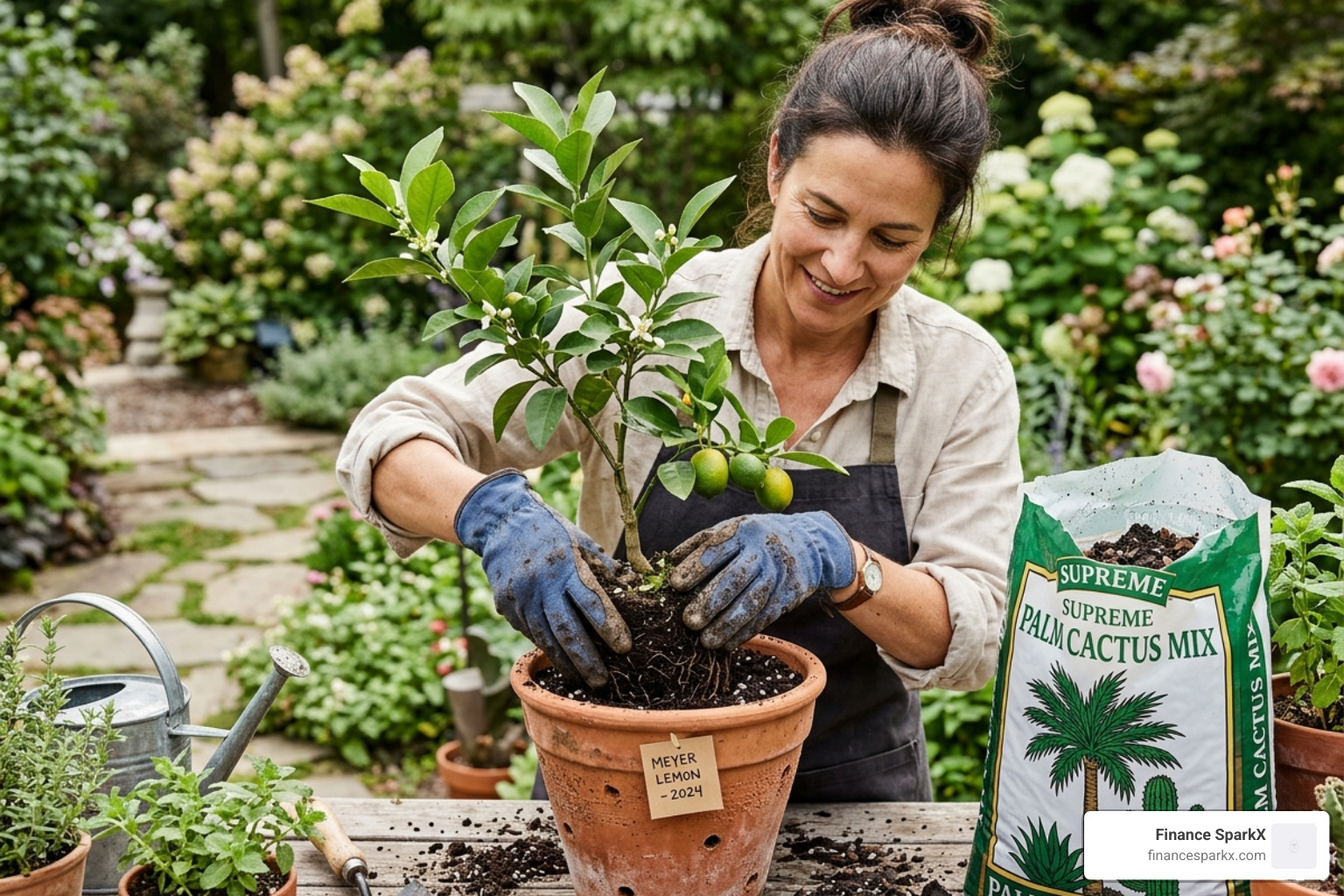
When you’re ready to plant, always choose a container with at least one large drainage hole. If you’re planting in the ground—especially in heavy clay soil—you should use the palm cactus mix as an amendment. Mix it 50/50 with your native soil to improve the structure. However, keep in mind that some commercial mixes, like Miracle-Gro® Cactus, Palm & Citrus Potting Mix | ScottsMiracle-Gro US, are specifically formulated for container use and might not be recommended for straight in-ground gardening without blending.
Potting and Repotting Guidelines
We recommend the 1/3 fill rule. Fill your new pot about one-third of the way with your palm cactus mix. Gently loosen the root ball of your plant—if the roots are circling the bottom, they need a little help to realize they have more room now. Center the plant and fill in the sides, pressing lightly to remove large air pockets, but don’t pack it down like a snowball!
- 8-inch Containers: An 8 qt. bag typically fills two of these.
- 10-inch Pots: A 1.0 cu. ft. bag will generally cover three 10-inch pots.
- 5-gallon Plants: One 1 cu. ft. bag is usually enough for a single five-gallon transplant.
For citrus trees, we suggest repotting annually in early spring. Moving them to the next size up container every year encourages fruiting and prevents the tree from becoming “root-bound,” which can stall growth.
How to Use Palm Cactus Mix for Citrus and Succulents
Citrus and succulents have a “soak and dry” preference. After potting with your palm cactus mix, water the plant thoroughly until water runs out the bottom. Then—and this is the hard part—leave it alone.
Wait until the soil is dry to the touch (usually 1–2 inches deep) before watering again. In the winter, most of these plants enter a semi-dormancy, so you can scale back watering even further. Most premium mixes come pre-charged with slow-release nutrients that feed for up to 6 months. After that period, we recommend supplementing with a liquid succulent or citrus fertilizer to keep the nutrient levels optimal.
DIY Recipes: Mixing Your Own Specialized Soil
Sometimes, the “off-the-shelf” options don’t quite fit a specific plant’s needs. If you have a rare desert specimen or a tropical epiphytic cactus (like a Christmas Cactus), you might want to play “soil scientist.”
Experimenting with your own palm cactus mix is half the fun of gardening. We like to use a 5-quart container as a “part” to keep our ratios consistent.
The Standard Desert Blend:
- 1 part standard potting soil (choose one without large wood chunks)
- 2 parts pumice or perlite
- 1 part coir or peat moss
- Optional: A handful of bone meal for root strength.
The Epiphytic (Jungle) Blend: These cacti grow on trees in the wild, so they love organic matter but need extreme aeration.
- 1 part standard potting soil
- 1 part pumice
- 2 parts coarse orchid bark
If you’re looking for a solid base to start your DIY journey, a bag of 1 cu. ft. Palm and Cactus Mix provides a great foundation that you can further customize with extra grit or organic amendments.
Frequently Asked Questions about Specialized Soil
Can I use palm cactus mix for in-ground planting?
It depends on the brand! Organic mixes like Kellogg or G&B are excellent for in-ground use as amendments. However, some synthetic “potting mixes” are too light for the ground and may wash away. Always check the bag—if it says “Potting Mix,” it’s for containers. If it says “Planting Mix” or “Soil,” it’s usually safe for the ground.
How much soil do I need for a 5-gallon plant?
Generally, one 1 cu. ft. bag of palm cactus mix will perfectly transplant one five-gallon plant into a slightly larger decorative pot. If you are repotting several smaller one-gallon plants, that same 1 cu. ft. bag will cover about 2 to 3 of them.
What is the ideal pH range for palms and cacti?
Most of these plants prefer a pH between 6.0 and 7.3. This range ensures that essential micronutrients like iron and manganese are “available” to the plant. If the soil becomes too alkaline (above 7.5), you might notice your palm leaves turning yellow—a sign of nutrient lockout.
Conclusion
Creating a balanced, eco-conscious home starts with the small things—like the soil in your pots. Choosing a high-quality palm cactus mix isn’t just about keeping a plant alive; it’s about practicing sustainable gardening that respects the natural needs of these unique species.
At Finance SparkX, we believe that integrating these mindful, DIY practices into your home improvement projects leads to a more productive and balanced lifestyle. Whether you’re buying a pre-mixed organic blend or mixing your own “gritty” recipe, your plants will thank you with vibrant growth and fewer health “hiccups.”
Ready to dive deeper into a sustainable, eco-friendly lifestyle? More info about eco-conscious lifestyle services is just a click away. Happy planting!
