
Discover Indoor Plants: Top 10 Varieties
Why Indoor Plants Belong in Every Home
Indoor plants are one of the simplest ways to improve your living space — and your well-being.
Not sure which plant to start with? Here are the top 10 indoor plants most worth your attention:
- Snake Plant – nearly indestructible, low light, air-purifying
- Pothos – fast-growing, beginner-friendly, trails beautifully
- Monstera Deliciosa – bold statement leaves, medium light
- ZZ Plant – drought-tolerant, thrives on neglect
- Peace Lily – low light, elegant white blooms
- Fiddle Leaf Fig – striking design focal point, bright indirect light
- Spider Plant – pet-friendly, easy to propagate
- Bird of Paradise – large, tropical, dramatic
- Rubber Tree – sturdy, sculptural, low maintenance
- Calathea – stunning patterned leaves, humidity-loving
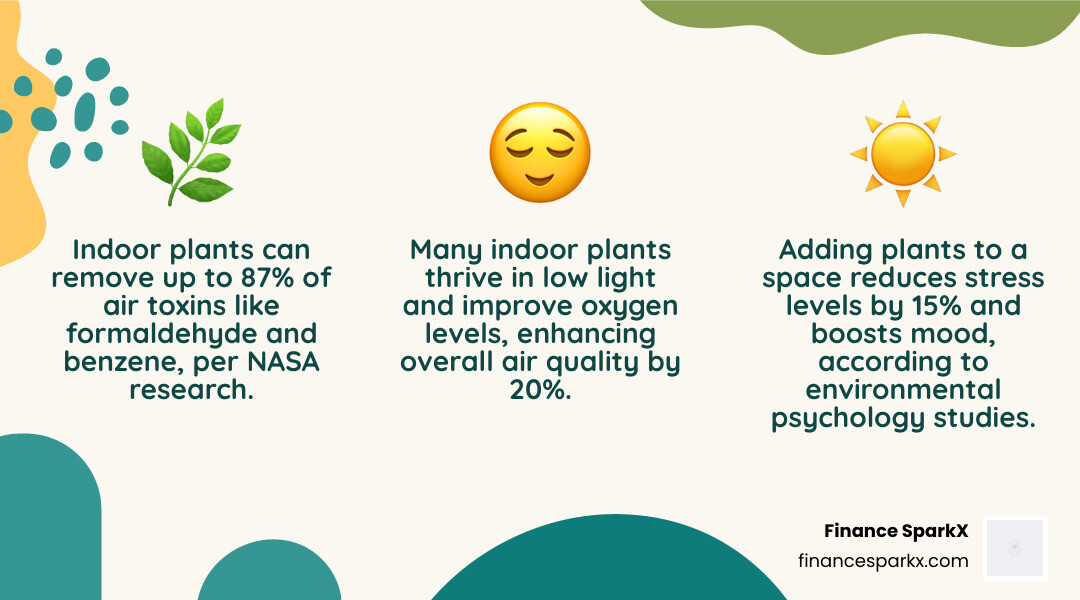
Plants do more than look good. Research shows they can reduce stress, boost focus, and even help filter indoor air. In fact, by 2026, indoor plants have become a go-to upgrade for eco-conscious homeowners who want a healthier, greener home — without a complicated routine.
The best part? Most popular varieties are surprisingly easy to keep alive, even with a packed schedule.
Whether you have a sun-drenched living room or a dim corner office, there is a plant that fits your space perfectly.
Choosing the Best Indoor Plants for Your Space
Selecting the right greenery involves more than just picking the prettiest leaf at the garden center. To ensure your new companion thrives, we need to look at the intersection of biology and interior design. In our experience at Finance SparkX, the most sustainable way to decorate is to match the plant to the environment, rather than forcing a plant to adapt to a space it wasn’t built for.
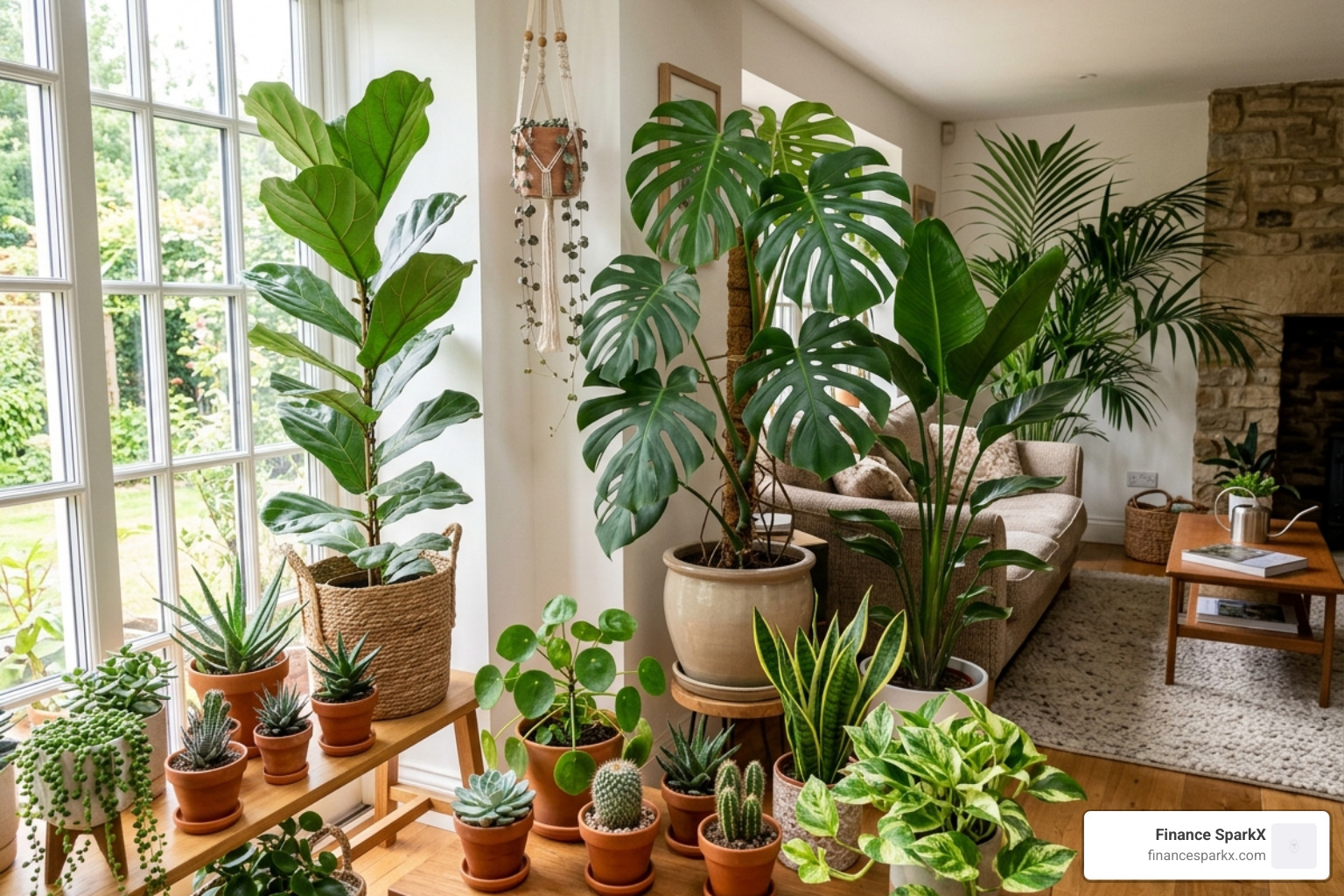
When we talk about houseplants, we are usually referring to tropical or subtropical species that can survive in the stable, warm temperatures of a human home (typically 59-77°F). However, every room has its own “microenvironment.” A drafty hallway is very different from a steamy bathroom or a sun-scorched windowsill.
Selecting Varieties Based on Room Environment
Before you buy, take a day to observe the light in your room. Does the sun hit the floor directly? That’s “bright direct light.” Is the room bright but the sun never actually touches the leaves? That’s “bright indirect light.” If you can barely read a book without turning on a lamp, you have “low light.”
Beyond light, consider these factors:
- Humidity levels: Most tropical plants crave 50% humidity or higher. If your home is dry (especially in winter), you might need to group plants together or use a pebble tray.
- Temperature range: Most indoor plants hate cold drafts. Keep them away from air conditioning vents and poorly insulated windows.
- Space constraints: A Monstera Deliciosa can grow to be six feet wide. If you live in a cozy apartment, a trailing Pothos or a compact succulent might be a better fit.
| Light Level | Best For | Top Plant Choices |
|---|---|---|
| Low Light | North windows, hallways, offices | ZZ Plant, Snake Plant, Peace Lily |
| Medium Light | East/West windows, filtered light | Monstera, Dracaena, Ferns |
| Bright Light | South windows, sunrooms | Succulents, Bird of Paradise, Ficus |
Understanding Air-Purifying Benefits
One of the most cited reasons for bringing nature indoors is air quality. A famous NASA study from the late 1980s revealed that certain plants can filter out volatile organic compounds (VOCs) like formaldehyde and benzene. While modern science suggests you would need a literal jungle (dozens of plants per square meter) to match the power of a high-end air purifier, every little bit helps.
The Snake Plant botanical profile is particularly interesting here. Unlike most plants that release oxygen during the day, the Snake Plant (Dracaena trifasciata) performs a specific type of photosynthesis that allows it to release oxygen at night. This makes it an ideal companion for bedrooms, potentially improving sleep quality while it scrubs the air of toxins.
Top 10 Indoor Plant Varieties for Every Home

Let’s explore our favorite picks for 2026. These varieties have stood the test of time because they offer the best balance of aesthetic beauty and resilience.
- Snake Plant (Dracaena trifasciata): Often called “Mother-in-Law’s Tongue,” this plant is the gold standard for durability. It features stiff, sword-like leaves that can grow up to three feet tall.
- Monstera Deliciosa: Known as the “Swiss Cheese Plant” due to the natural holes (fenestrations) in its leaves, this is the ultimate statement piece for a living room.
- Fiddle Leaf Fig (Ficus lyrata): The “it” plant of the design world. It’s a bit finicky, requiring consistent light and watering, but its violin-shaped leaves are unmatched for style.
- Pothos (Epipremnum aureum): Also known as “Devil’s Ivy,” it is virtually impossible to kill. It’s a fast grower that looks stunning trailing from a bookshelf.
- Peace Lily (Spathiphyllum): One of the few low-light plants that produces flowers. It’s also a great “communicator”—it will dramatically droop when it’s thirsty, telling you exactly when it needs a drink.
- ZZ Plant (Zamioculcas zamiifolia): If you travel often, this is your plant. It stores water in thick underground rhizomes, allowing it to go weeks without a drop.
- Spider Plant (Chlorophytum comosum): A classic for a reason. It produces “babies” on long runners that look like tiny spiders, making it incredibly fun to watch grow.
- Bird of Paradise (Strelitzia nicolai): For those who want a tropical resort vibe. It features massive, crane-like leaves that add instant height and drama.
- Rubber Tree (Ficus elastica): With deep burgundy or dark green waxy leaves, this plant feels sophisticated and architectural.
- Calathea: Often called “Prayer Plants” because their leaves fold up at night. They come in stunning patterns that look like they’ve been hand-painted.
Low-Maintenance Indoor Plants for Beginners
If you’re worried about your “black thumb,” start with the Pothos or the ZZ Plant. These are the marathon runners of the plant world. The Pothos care guide highlights that these plants can thrive in almost any light condition and are resistant to most pests.
Beginner-friendly plants generally share a common trait: neglect tolerance. Most people kill their plants by overwatering them (loving them to death!). Hardy species like the Snake Plant actually prefer their soil to dry out completely between waterings. If you forget about them for two weeks, they won’t hold a grudge.
Pet-Friendly Indoor Plants for Safe Decorating
For those of us with curious cats or dogs, safety is the top priority. Many popular plants, like the Peace Lily and Pothos, contain calcium oxalate crystals which can be irritating if chewed.
Thankfully, there are plenty of beautiful, non-toxic options:
- Spider Plants: Completely safe and actually quite bouncy, which cats love (though you might want to hang them out of reach to save the foliage!).
- Parlor Palms: A slow-growing, elegant palm that adds a soft texture to any room without risking your pet’s health.
- Calathea: These are safe for both cats and dogs, though they are a bit more demanding regarding humidity.
Essential Care Tips for Thriving Greenery
Success with indoor plants isn’t about magic; it’s about consistency. Most plant deaths are caused by root rot, which happens when roots sit in stagnant water.
The Golden Rules of Plant Care:
- The Finger Test: Before watering, stick your finger two inches into the soil. If it feels damp, wait. If it’s dry, it’s time for a drink.
- Drainage is Non-Negotiable: Always use pots with holes at the bottom. If you have a beautiful decorative pot without holes, keep the plant in its plastic “nursery pot” and place that inside the decorative one.
- Water the Soil, Not the Leaves: Pouring water directly onto the leaves can encourage fungal growth. Aim for the soil line.
- Light is Food: Plants don’t “eat” fertilizer; they eat light. If your plant looks leggy (stretched out) or loses its color, it’s likely “starving” for more sun.
The Sansevieria resilience guide reminds us that even “low light” plants prefer a bit of brightness. While they can survive in a dark corner, they will grow much faster and look healthier if they get some indirect sun.
Propagating Your Favorite Indoor Plants
One of the most rewarding parts of plant parenthood is making new plants for free! Propagation is the process of growing a new plant from a piece of an existing one.
- Pothos: Cut a vine below a “node” (the little brown bump where a leaf meets the stem). Place the cutting in a jar of water. In two weeks, you’ll see white roots. Once they are an inch long, you can plant them in soil.
- Spider Plants: Simply snip off the “babies” that grow on the long stems and tuck them into a small pot of moist soil.
- Succulents: Many succulents can grow an entirely new plant from a single leaf that has fallen off. Just lay the leaf on top of dry soil and wait for tiny roots to appear.
Best Varieties for High-Humidity Bathrooms
Don’t overlook the bathroom! The steam from your morning shower creates a mini-rainforest environment that certain plants adore.
- Ferns: Especially the Bird’s Nest Fern. They love the consistent moisture and filtered light.
- Air Plants (Tillandsia): These don’t even need soil! They absorb moisture through their leaves, making them perfect for bathroom shelving.
- Calathea: If you’ve struggled with crispy brown edges on your Calathea in the living room, move it to the bathroom. The extra humidity will make it shine.
Frequently Asked Questions about Indoor Plants
Which indoor plants are best for low-light spaces?
If you have a north-facing window or a room with small windows, go for the ZZ Plant, Snake Plant, or Cast Iron Plant. These species have evolved to survive on the forest floor under dense canopies, so they are experts at making the most of minimal light.
How often should I water my indoor plants?
There is no “one size fits all” schedule. In the summer, your plants might need water every 5-7 days because they are growing fast and the water evaporates quickly. In the winter, they enter a dormant phase and might only need water once every three weeks. Always rely on the “finger test” rather than a calendar.
What are the easiest large plants for a living room?
For big impact with low effort, we recommend the Monstera Deliciosa or the Bird of Paradise. If you have a bright corner, the Majesty Palm is a classic choice, though it does require more frequent watering than a Monstera. For a more modern, architectural look, a tall Snake Plant in a pedestal planter can provide significant height.
Conclusion
At Finance SparkX, we believe that a sustainable lifestyle starts at home. Integrating indoor plants into your decor isn’t just about following a trend; it’s about creating a living, breathing ecosystem that supports your mental health and productivity.
By choosing the right varieties for your specific light and lifestyle, you can enjoy the benefits of nature every single day. Whether you start with a single trailing Pothos or go all-in on a giant Fiddle Leaf Fig, the journey of plant parenthood is one of the most rewarding DIY projects you can undertake.
Ready to transform your space? From air-purifying bundles to rare tropical finds, greenery is waiting for you. Start your green journey with Finance SparkX and discover how a little bit of soil and soul can change your home for the better!
