
How to Make Your Own Fabulous Homemade Curtains
Why DIY Curtain Decorating Ideas Can Transform Any Room on a Budget
DIY curtain decorating ideas are one of the fastest, most affordable ways to refresh a room — no renovation required.
Quick answer: Top DIY curtain decorating ideas in 2026
- Drop cloth curtains — cheap, textured, and farmhouse-ready (under $50 for a full set)
- No-sew sheet curtains — use a flat twin sheet and hem tape, zero sewing needed
- Stenciled panels — add patterns to plain store-bought curtains with fabric paint
- Pinch pleat upgrade — transform basic rod-pocket panels with pleater tape and binder rings
- Trim embellishments — glue or sew ric-rac ribbon, tassels, or pom-pom trim onto plain panels
- Ombre dyeing — dip-dye white drapes for a custom color effect
- Tea towel cafe curtains — hang kitchen towels on a tension rod for a charming, no-sew look
- Shower curtain repurposing — turn a $15 shower curtain into pillow covers, valances, or roman shades
Curtains do more than block light. They shape how a room feels — adding warmth, height, and personality. But custom window treatments can cost hundreds of dollars per panel.
The good news? You can get a high-end look for a fraction of the price with materials you may already have at home — think drop cloths, flat sheets, or thrifted fabric.
And you don’t need to be an expert sewist. Many of the best curtain upgrades take an afternoon, a few basic supplies, and no sewing machine at all.
Whether you’re a renter who can’t put holes in walls, a homeowner looking to add texture to a living room, or someone who just wants a greener, more intentional home — there’s a DIY curtain idea here for you.
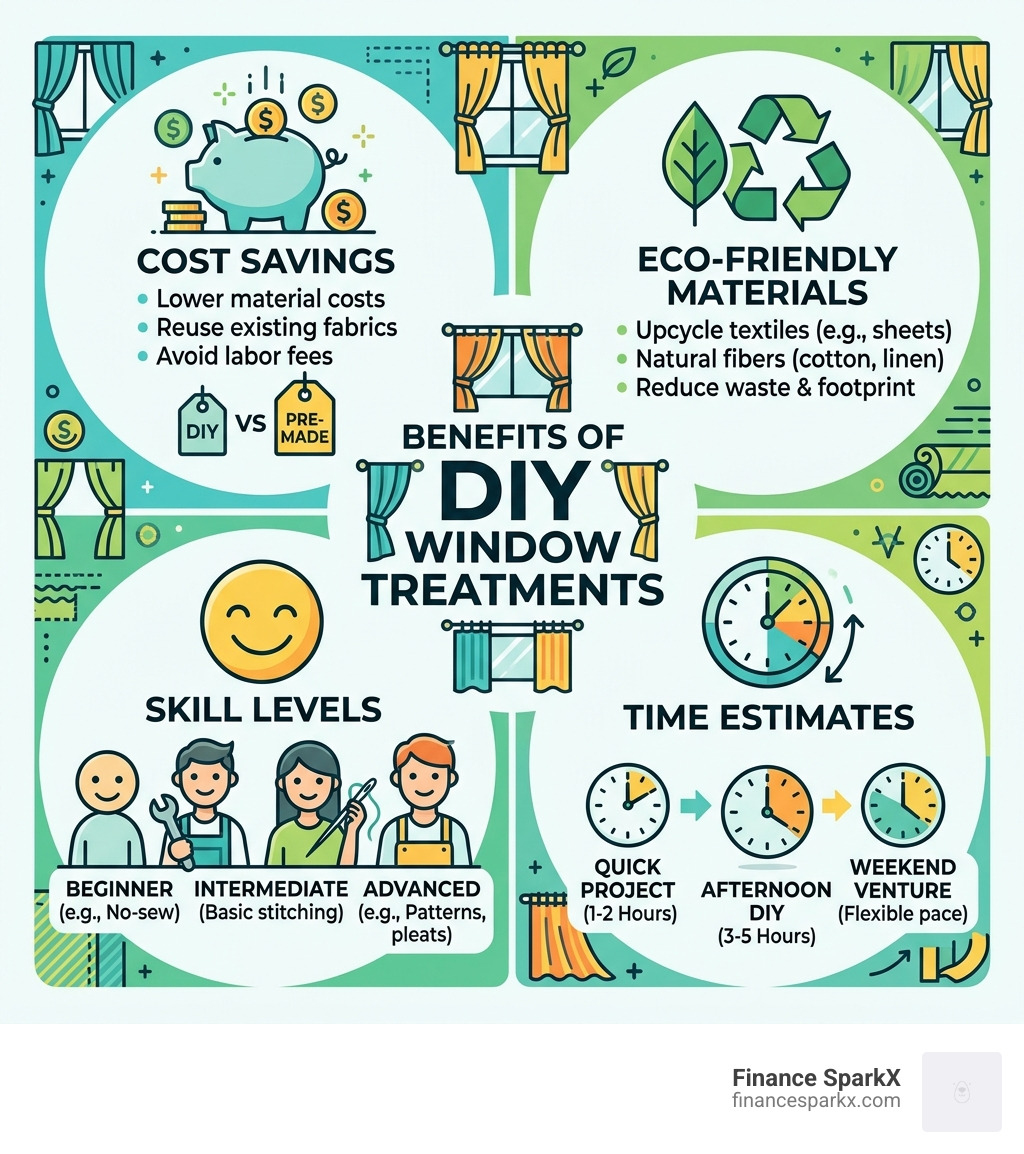
Essential Supplies and Measuring for DIY Curtain Decorating Ideas
Before we dive into the fun patterns and textures, we need to talk logistics. Nothing kills a DIY buzz faster than realizing your curtains are three inches too short or don’t have enough “fullness” to cover the window. At Finance SparkX, we believe that productivity starts with a solid plan, so let’s get your measurements right.
Calculating Your Dimensions
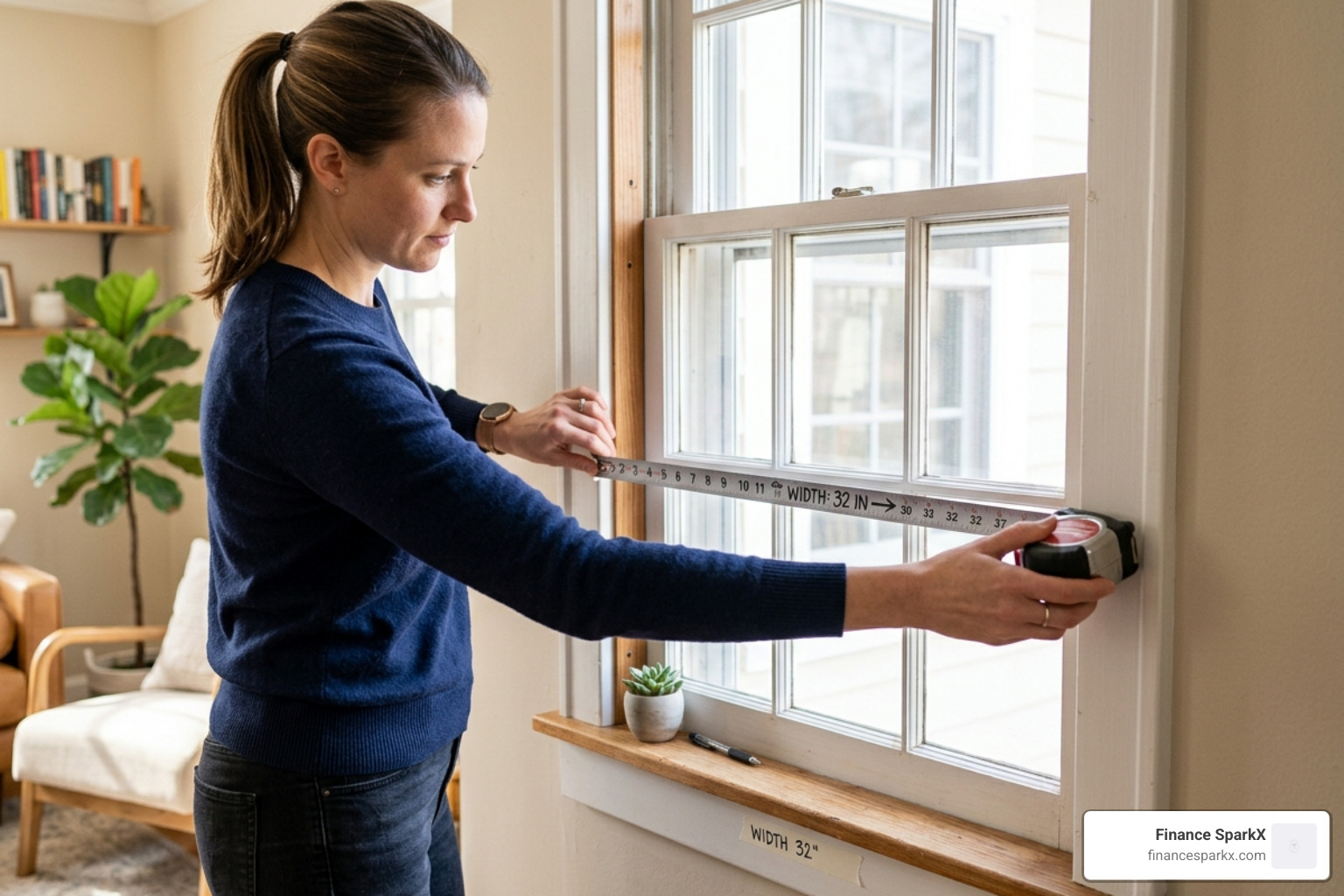
To calculate your fabric needs, start by measuring the width of your window frame. For a professional look, you want “double fullness.” This means your fabric width should be roughly twice the width of the window. If you have a 40-inch window, you want at least 80 inches of fabric width (usually two 40-50 inch panels).
For the height, measure from where you want the rod to sit down to the floor. Add about 18 inches to this number to account for the header (the top part) and the bottom hem. For example, if you have 8-foot ceilings and want 90-inch panels, you’ll need about 108 inches (3 yards) of fabric per panel.
The DIY Toolkit
Having the right tools on hand makes the process seamless. Here is what we recommend:
- Fabric scissors: Keep these sharp and only use them for fabric!
- Measuring tape: A long, metal construction tape is often more accurate for high windows than a floppy tailor’s tape.
- Straight pins and an iron: Ironing your hems before you sew or glue them is the secret to making DIY curtains look like they came from a high-end boutique.
- Buckram (Drapery Tape): This is a stiffening material used in the header to prevent that “droopy” look.
Sustainable Sourcing
In line with our commitment to eco-conscious living, we always suggest looking for sustainable textiles. Thrift stores are gold mines for vintage linens, high-quality cotton sheets, or even old curtains that just need a fresh dye job. Organic cotton and linen are excellent choices if you are buying new, as they are durable, biodegradable, and age beautifully. More info about sustainable home decor can help you align your DIY projects with a greener lifestyle.
Top DIY Curtain Ideas Using Everyday Materials
You don’t always need to visit a fabric store to find the perfect material. In fact, some of our favorite diy curtain decorating ideas involve repurposing items you might already have in your linen closet.
The Magic of Flat Sheets
Bed sheets are essentially large, hemmed rectangles of fabric. Using a flat twin sheet is a genius move for beginners because three of the four sides are already finished. They come in endless patterns and high thread counts, offering a soft, breezy look that works perfectly in bedrooms or nurseries.
Drop Cloths: The Farmhouse Staple
If you want a heavy, linen-like texture for a fraction of the cost, head to the hardware store. Canvas drop cloths are incredibly durable and offer a rustic, farmhouse aesthetic. We recommend pre-washing and bleaching them to remove chemical smells and achieve a softer, creamier white. You can even add a ruffle to the bottom for extra flair.

Comparing DIY Materials
| Material | Durability | Light-Blocking | Best Style |
|---|---|---|---|
| Drop Cloths | High | Excellent | Farmhouse / Industrial |
| Bed Sheets | Medium | Low (Sheer) | Airy / Modern |
| Shower Curtains | High | Medium | Whimsical / Small Windows |
| Burlap | Low | Medium | Rustic / Decorative |
Easy No-Sew DIY Curtain Decorating Ideas for Renters
For those of us in rentals or anyone who shudders at the thought of a sewing machine, no-sew is the way to go.
- Hem Tape: Use iron-on hem tape (like HeatnBond) to create crisp edges.
- Fabric Glue & Liquid Stitch: Perfect for adding trim or securing the ends of ribbons.
- Clip Rings: These are a renter’s best friend. You simply clip them to the top of your fabric, and they slide right onto the rod. No rod pocket required!
- Command Hooks & Tension Rods: These allow you to hang lightweight curtains (like tea towel cafe curtains) without drilling a single hole.
Customizing Store-Bought Panels with DIY Curtain Decorating Ideas
Sometimes you find a great deal on basic panels at a big-box store, but they feel a bit… “builder grade.” You can elevate them in under an hour.
- Add Tassel or Ric-Rac Trim: Use fabric glue to attach pom-poms or ribbon along the inner edge of the panel.
- Pinch Pleats: You can convert standard rod-pocket curtains into sophisticated pinch pleats using pleater tape and hooks.
- Blackout Lining: If your store-bought panels are too thin, you can “no-sew” a blackout liner to the back using hem tape.
How To Make DIY Pinch Pleat Curtains (Quick and Easy!) is a fantastic resource if you want that high-end, structured look without the high-end price tag.
Step-by-Step Techniques: Dyeing, Stenciling, and Pleating
Ready to get your hands a little dirty? Customizing the fabric itself is where your creativity can really shine.
The Art of Dyeing
If you have white curtains that feel boring, an ombre dye job can add a stunning pop of color.
- Check the fiber: Natural fibers (cotton, linen) dye easily with standard Rit dye. Synthetics (polyester) require “Rit DyeMore” and very hot water (around 200°F).
- Pre-wet the fabric: Always drench your curtains in clean water before dyeing to ensure even coverage.
- The Ombre Effect: Dip the bottom third of the curtain in the dye bath for 30 minutes, then slowly lift it out in stages to create a gradient.
- Fixative: Use a dye fixative afterward to make sure your hard work doesn’t wash away in the first laundry cycle.
Stenciling and Printing
For a patterned look, stenciling is incredibly effective. Lay your curtain flat on a drop cloth, secure your stencil with painter’s tape, and use a small foam roller. Pro tip: Use a very dry roller—too much paint will bleed under the stencil. If you want a more organic, “boho” look, try block printing with carved potatoes or wooden blocks.
Creating Structure with Pleats
Pleats add “weight” to a room. Using pleater tape is the easiest method; you simply sew the tape to the back of the header and slide four-prong hooks into the slots. This automatically bunches the fabric into perfect pleats. If you’re feeling fancy, use buckram in the header to ensure the top of the curtain stays stiff and upright rather than flopping over the rod.
Proper Installation and Hardware Hacks
You’ve made beautiful curtains; now don’t ruin them by hanging them incorrectly! The way you hang your curtains is just as important as the fabric itself.
The “High and Wide” Rule
To make your windows look massive and your ceilings look taller, hang your rod 4–6 inches above the window frame (or even closer to the ceiling). Extend the rod 6–10 inches past the sides of the window. This allows the fabric to rest against the wall when open, letting in maximum light and making the window appear much larger than it is.
Hardware on a Budget
You don’t need to spend $100 on a curtain rod.
- Industrial Look: Use black PVC pipe or actual galvanized steel plumbing pipe for a sturdy, industrial vibe.
- The Office Supply Hack: We love this one—use large binder rings or spray-painted paper clips as curtain rings. They are significantly cheaper than “official” drapery hardware and offer a unique, modern look.
- Setting the Folds: Once your curtains are hung, “train” them. Gather them into the folds you want, tie them loosely with a ribbon or elastic band, and leave them for 2-3 days. When you untie them, they will hold those beautiful, professional-looking folds.
Maintenance, Care, and Creative Repurposing
At Finance SparkX, we’re all about longevity. We want your DIY creations to last for years.
Washing and Drying
Homemade curtains require a bit of extra love.
- Pre-wash your fabric: Before you ever cut or sew, wash the fabric. Many natural fibers shrink significantly. If you don’t pre-wash, your floor-length curtains might turn into “high-waters” after the first cleaning.
- Cold Water Only: To preserve dyes and glues, wash on a gentle, cold cycle.
- Air Dry: Avoid the dryer if possible. Hang them back up on the rod while slightly damp to let gravity pull out the wrinkles.
Creative Repurposing
What happens when you move or change your decor? Don’t toss those panels!
- Pillow Covers: One curtain panel can easily make 2–4 throw pillow covers.
- Table Runners & Napkins: Old linen curtains make excellent, eco-friendly cloth napkins.
- Room Dividers: Use a tension rod and a long panel to hide a cluttered laundry nook or create a “home office” in a studio apartment.
Frequently Asked Questions about DIY Curtains
How do I calculate fabric fullness for DIY curtains?
Standard “fullness” is 2x the width of your window. For a more luxurious, pleated look, go for 2.5x. If you are using very sheer or thin fabric, you may even want 3x the width to ensure they don’t look skimpy when closed. Don’t forget to add 1–2 inches for side hems on each panel!
Can I wash curtains that have been customized with fabric glue or paint?
Yes, but proceed with caution. Most fabric glues (like Liquid Stitch) and fabric paints are permanent once cured. However, we recommend waiting at least 7 days before washing. Always use a gentle cycle, turn the panels inside out if possible, and air dry to prevent the glue from softening in the heat of a dryer.
What are the most common mistakes to avoid when making homemade curtains?
The “Big Three” mistakes are:
- Forgetting to pre-wash: As mentioned, shrinkage is the enemy of DIY.
- Low rod placement: Hanging the rod right on the window frame “shrinks” your room visually.
- Skipping the iron: You might think you can “smooth it out with your hand,” but a crisp, ironed hem is what separates a “craft project” from “professional decor.”
Conclusion
Creating your own window treatments is more than just a way to save money—it’s an act of intentional, sustainable living. By choosing your own materials and putting in the effort to customize your space, you create a home that truly reflects your personality and values.
At Finance SparkX, we believe that a balanced lifestyle involves both productivity and the joy of creating something with your own hands. Whether you’re dyeing drop cloths or clipping up a vintage sheet, these diy curtain decorating ideas prove that you don’t need a massive budget to have a fabulous, stylish home.
Ready to tackle your next project? Explore our other guides on eco-friendly home improvement and productivity hacks to keep your DIY momentum going! More info about our DIY projects
